
Choosing a bridal dress colour is one of the most defining decisions a bride makes. The shade you select influences everything from how you appear in photographs to how harmoniously you blend into your chosen décor, lighting, and theme. While traditional white remains iconic, brides today explore a wide spectrum of tones—ivory, champagne, blush, gold, silver, pearl, eggshell, rose beige, and more—each offering a different personality, mood, and visual effect.
Selecting the right colour is not just about trend; it is about choosing a tone that enhances your natural beauty, complements the wedding’s atmosphere, and reflects your identity. This guide offers a clear, structured approach to help you make the best choice with confidence.

Understanding Why Bridal Dress Colour Matters
The colour of your bridal gown does more than define your aesthetic. It shapes the emotional tone of the ceremony, sets the centre point of visual focus, and influences how you appear under different lighting conditions. A well-chosen tone enhances your complexion, creates cohesion with your décor, and amplifies your presence as the bride.
Modern photography is also highly sensitive to shades. Cool studio lights, warm sunset lighting, flash photography, and natural daylight all interact differently with various gown colours. The ideal shade balances beauty, harmony, and practicality.
Start With Your Skin Tone: The Foundation of Colour Selection
Every bridal colour interacts uniquely with skin tone. Understanding whether your undertone is warm, cool, or neutral is the most reliable starting point.
Warm Undertones
If your skin has golden, yellow, or peach undertones, the following shades complement you best:
- Ivory
- Champagne
- Cream
- Warm blush
- Soft gold
These shades brighten warm skin without washing it out.
Cool Undertones
If your skin has pink, red, or blue undertones, opt for colours that have clarity and crispness:
- Pure white
- Diamond white
- Silver-tinted white
- Blue-toned off-white
These shades bring balance and contrast, producing a radiant look in photographs.
Neutral Undertones
If your undertone is a blend of warm and cool, you have flexibility. Most bridal shades work well for you, including:
- Ivory
- Pearl
- Rose beige
- Blush
- Soft champagne
Brides with neutral undertones benefit from testing 3–4 shades under proper lighting before making a final choice.
Consider the Theme and Setting of Your Wedding
Your bridal dress colour should sit comfortably within the visual environment of your wedding. The venue, décor, floral palette, and time of day all influence which shades will look most elegant.
Indoor Ballroom Weddings
- Ivory, diamond white, champagne, and metallic hints stand out beautifully against grand, structured spaces.
- Under chandeliers and warm indoor lighting, ivory and champagne appear especially luxurious.
Outdoor Garden or Beach Weddings
- Soft blush, pale champagne, pearl white, and warm ivory complement natural sunlight.
- Pure white reflects harshly against strong daylight and may appear overly bright in photographs.
Evening Weddings
- Deeper, richer undertones such as champagne, rose-gold ivory, and soft gold create dimension under low light.
- Cool whites can appear too stark unless paired with soft lighting.
Matching your dress colour to the wedding environment ensures your gown complements—rather than clashes with—the mood and palette of the event.
Lighting Makes a Significant Difference
Photographers often highlight how dramatically lighting affects how dress colours appear. A shade that looks perfect in the boutique may shift in outdoor sunlight or indoor ambience.
Natural Daylight
Natural light reveals the true undertone of any shade. It is the best light to compare multiple colours.
Warm Indoor Lighting
Warm lighting adds yellow or gold tones. Ivory and champagne appear richer, while pure white may look slightly cream.
LED or Cool Lighting
LED lights can add a blue hue, making champagne look dull and pure white appear overly bright.
Sunset or Golden Hour Photography
Soft blush, champagne, and muted ivory are exceptionally flattering as they complement the warm tones of golden hour.
It is advisable to step outside the showroom—or ask for lighting variations—to view your dress under multiple conditions.
Let Cultural and Personal Significance Guide Your Choice
For many brides, colour carries symbolic meaning.
White
Symbolises purity and elegance. Still the most popular choice for modern weddings.
Ivory
Represents softness and timeless romance. Suitable for almost all skin tones.
Champagne
Symbolises sophistication and luxury. Ideal for evening weddings or modern-classic brides.
Blush
Represents femininity, youth, and softness. Extremely flattering on warm undertones.
Gold or Off-White Gold
Popular in South Asian and Sri Lankan weddings for its cultural richness. Radiant in evening settings.
If your culture or religion encourages specific colours, integrate those traditions into your selection while still honouring your personal style.
Match the Colour with Your Silhouette and Fabric
Fabric plays a major role in how colour is perceived. Two dresses in the same shade may look entirely different depending on the material.
Satin or Silk
These reflect light strongly, making shades appear richer and deeper.
Organza or Tulle
Diffuse light softly, giving ivory and blush a gentle, romantic feel.
Lace
Often carries its own undertone. Ivory lace on champagne lining gives a vintage finish, while white lace on white lining looks crisp and modern.
Beaded or Embellished Gowns
Beads, sequins, and crystals reflect light differently and may amplify or mute certain tones. Silver embellishments pair well with cool shades, while gold embellishments enhance warm colours.
Test the Dress Colour Against Your Hair, Makeup, and Accessories
Your gown must complement your full bridal look, not just your skin tone.
Hair Colour
- Brunettes: Champagne, ivory, and pearl add warmth and depth.
- Blondes: Diamond white, soft blush, and cool ivory brighten the look.
- Black hair: Almost all shades work; ivory and blush provide elegant contrast.
- Red hair: Champagne, cream, and warm ivory harmonise beautifully.
Makeup
Neutral or warm makeup suits ivory and champagne.
Soft pink or rose-toned makeup enhances blush and cooler whites.
Jewellery
Silver jewellery pairs with cool whites.
Gold jewellery matches champagne, ivory, and warm undertones.
Take Photographs During Your Fittings
Mirrors alone are not reliable. Photography captures shadows, undertones, and perspective more accurately than direct reflection. Always ask:
- How does the colour look with flash?
- How does it appear in soft natural light?
- Does it complement your skin in photos as well as in person?
These comparisons help you avoid colour confusion on your wedding day.
Trust Your Instincts and Comfort
Although technical considerations matter, your comfort determines how confidently you carry your dress. If you feel radiant, the colour naturally enhances your presence. A bridal gown is emotional, symbolic, and deeply personal. The ideal shade is the one that aligns with your identity, vision, and aesthetic.
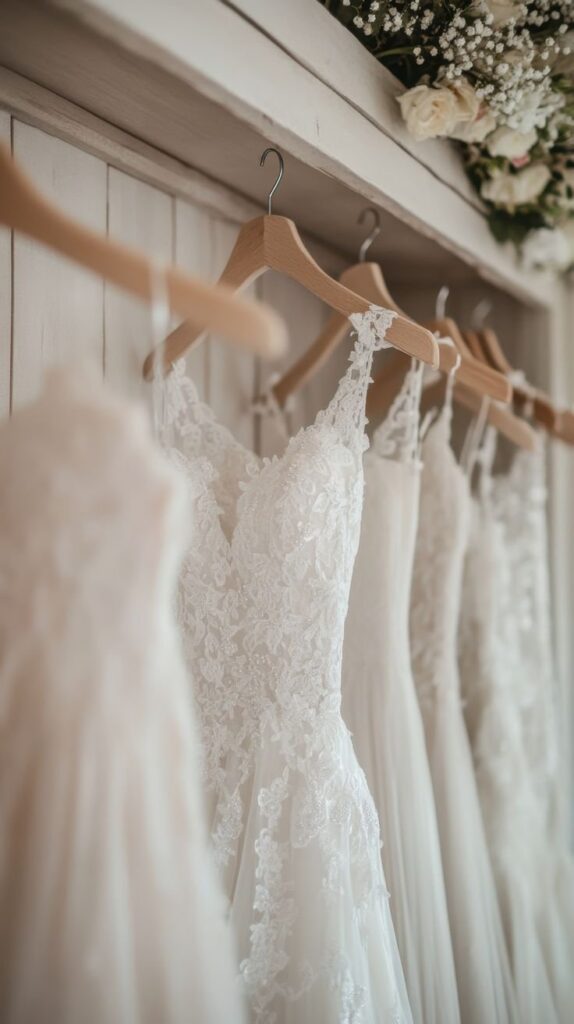
Final Checklist for Choosing Your Bridal Dress Colour
- Identify your skin undertone (warm, cool, neutral).
- Align your colour with the wedding theme, décor, and setting.
- Assess how the colour performs under different lighting.
- Consider cultural symbolism or personal preferences.
- Evaluate fabric and embellishment impact.
- Ensure the dress complements your hair, jewellery, and makeup.
- Take photographs under multiple lighting conditions.
- Choose comfort and confidence above trend.