
Saree or Dress | For many Sri Lankan brides, the question of whether to wear a saree or a dress is not a simple fashion decision. It is deeply connected to culture, family expectations, personal identity, comfort, and the kind of wedding experience they want to create. Both options carry their own beauty, symbolism, and emotional weight. There is no universally “correct” choice — only what feels right for you.
In today’s bridal landscape, tradition and modernity coexist. Brides are no longer limited to one fixed idea of what a bridal look should be. Some embrace heritage with pride, others lean towards contemporary elegance, and many find meaningful ways to blend both. Understanding the essence of each option helps you make a confident, informed decision rather than one driven by pressure or trends.
The Cultural Significance of the Saree
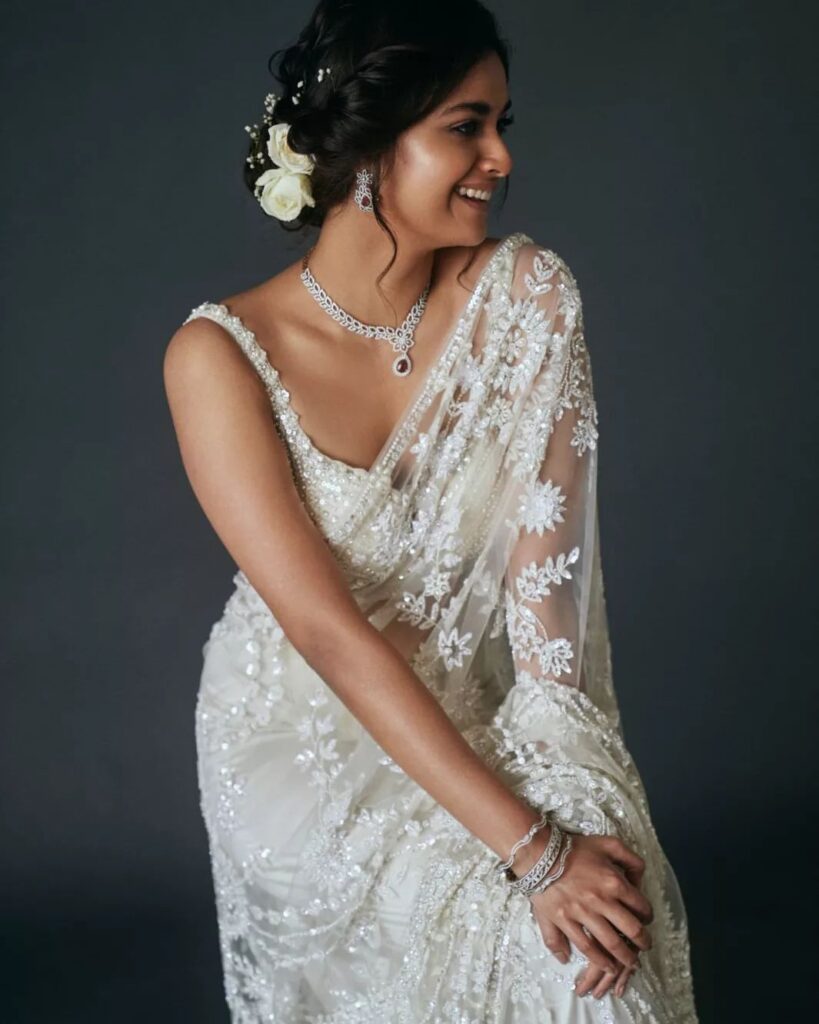
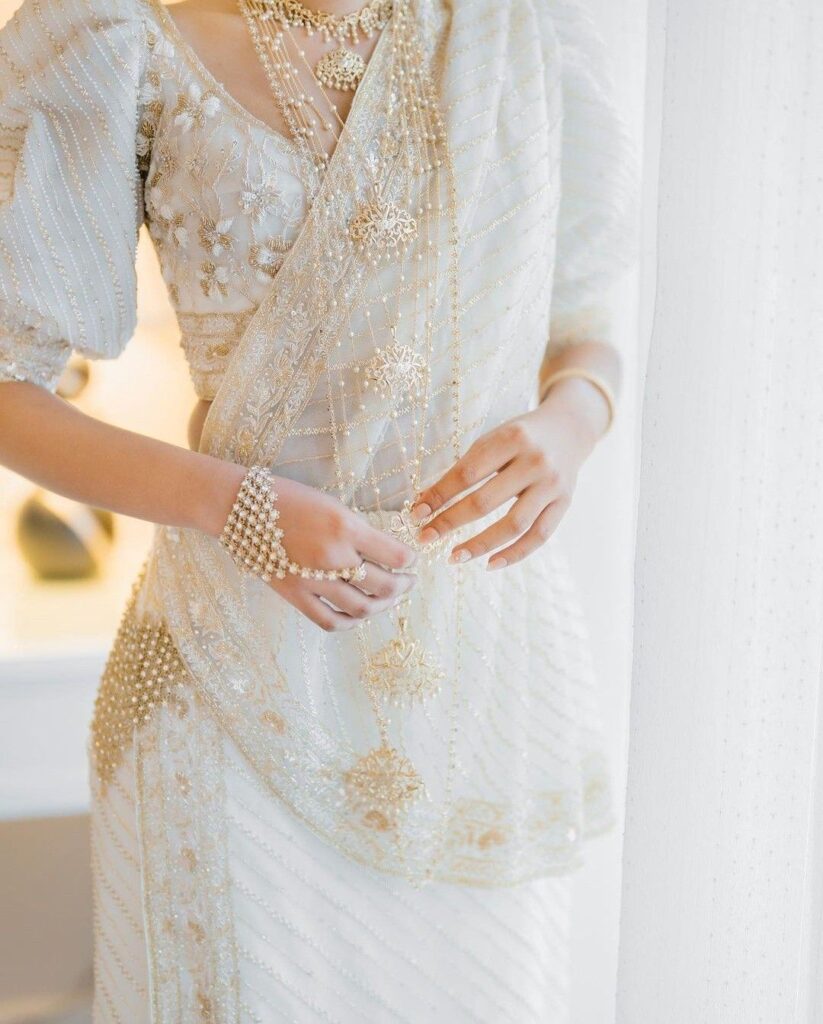
The saree holds a timeless place in Sri Lankan weddings. For generations, it has symbolised grace, maturity, femininity, and respect for tradition. A bridal saree is not simply an outfit — it is a continuation of stories passed down through mothers, grandmothers, and aunts.
In Kandyan weddings especially, the saree represents ceremonial dignity. The draping style, jewellery, hair, and accessories together create a look that is instantly recognisable and deeply rooted in heritage. Wearing a saree can feel like honouring your lineage, acknowledging rituals, and stepping into a role that generations of women before you have embraced.
Beyond symbolism, sarees also allow for individuality. Fabric choices range from silk and handloom to richly embroidered modern designs. Colours are no longer restricted to white or off-white. Brides now choose champagne, ivory, blush, gold, pastel pinks, and even muted blues or greens, reflecting personal taste while respecting tradition.
The Modern Appeal of the Bridal Dress
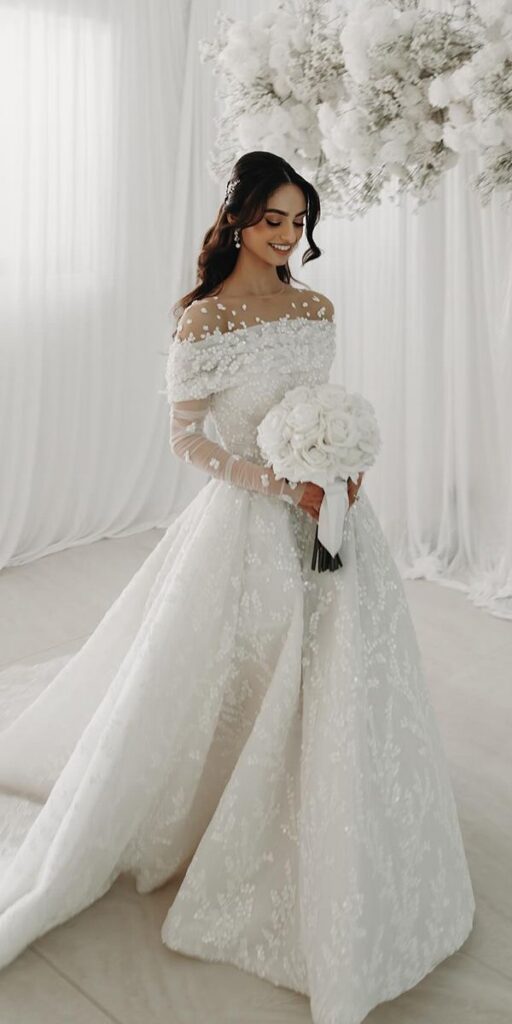
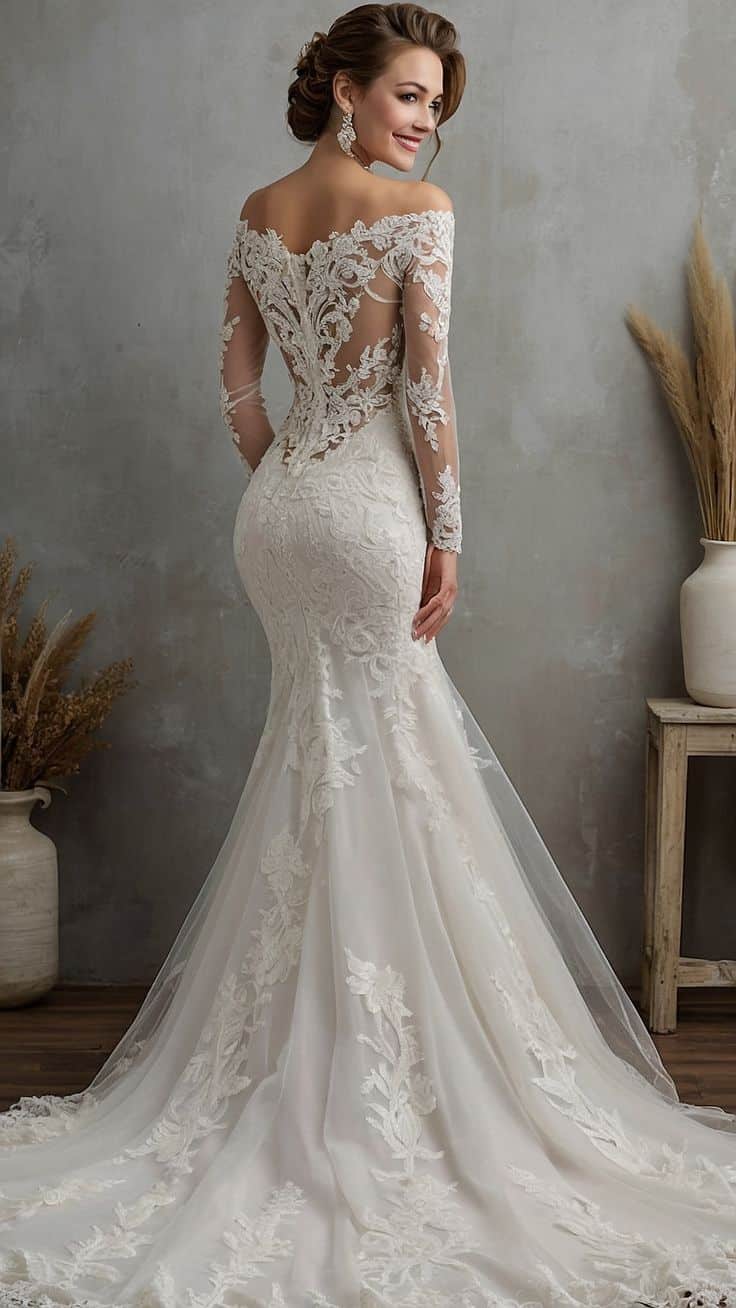
Bridal dresses have become increasingly popular in Sri Lanka, particularly for evening receptions, hotel weddings, and destination ceremonies. A dress often represents freedom of expression, contemporary elegance, and global influence. For many brides, it feels lighter, more intuitive, and closer to their everyday style.
A well-designed bridal dress allows for movement, comfort, and simplicity. Silhouettes can range from structured ball gowns to minimalist A-line dresses, fitted mermaid styles, or soft flowing designs. Dresses also offer versatility in fabric, neckline, sleeve length, and detailing, making it easier to tailor the look to your body type and personality.
Emotionally, some brides feel more “themselves” in a dress. It may align better with how they envision walking down the aisle, greeting guests, or dancing freely without worrying about pleats or draping. For brides who value ease and modern aesthetics, a dress can feel empowering rather than unconventional.
Comfort, Confidence, and Practicality
One of the most important factors often overlooked in bridal decisions is comfort. Your wedding day is long, emotional, and physically demanding. From dressing rituals to ceremonies, photos, greetings, and celebrations, you will be in your outfit for hours.
A saree, while stunning, requires practice to carry with confidence. Brides who are not accustomed to wearing sarees may feel restricted or anxious about movement. Heavy fabrics, intricate pleating, and layered jewellery can add to the weight. However, for those who have grown up wearing sarees, this may feel completely natural.
Dresses generally offer more physical ease, especially for walking, sitting, and dancing. They can be lighter and less mentally demanding. That said, poorly fitted dresses can also cause discomfort. The key is not the category but how well the outfit is designed, fitted, and tested before the day.
Confidence is directly linked to comfort. When you feel secure in your outfit, it shows in your posture, expressions, and presence. Whether saree or dress, the right choice is the one that allows you to be present, relaxed, and joyful.
Blending Tradition and Modernity
Many Sri Lankan brides choose not to limit themselves to one option. Wearing a saree for the ceremony and changing into a dress for the reception has become a popular compromise. This approach allows brides to honour tradition while also embracing modern style.
Some brides modernise the saree itself by experimenting with contemporary blouse designs, minimal jewellery, softer makeup, or lighter draping styles. Others choose dresses that subtly incorporate traditional elements such as embroidery patterns, lace inspired by Kandyan motifs, or modest silhouettes that respect cultural sensibilities.
This blending reflects the evolving identity of Sri Lankan women today — rooted in culture yet confidently global. It also allows brides to express different sides of themselves within the same celebration.
Family Expectations and Personal Boundaries
Weddings often come with strong opinions from family members, especially when it comes to attire. Parents and elders may associate the saree with respectability and tradition, while younger generations may prioritise personal comfort and modern expression.
Navigating these expectations requires sensitivity and clarity. Open conversations, visual references, and compromises can help bridge gaps. Explaining why a particular choice feels meaningful to you can transform resistance into understanding.
At the same time, it is important to remember that this is your wedding. Your outfit should not feel like a costume chosen to satisfy others. Setting gentle but firm boundaries ensures that you look back at your wedding photos with pride rather than regret.
Body Type, Style, and Personal Identity
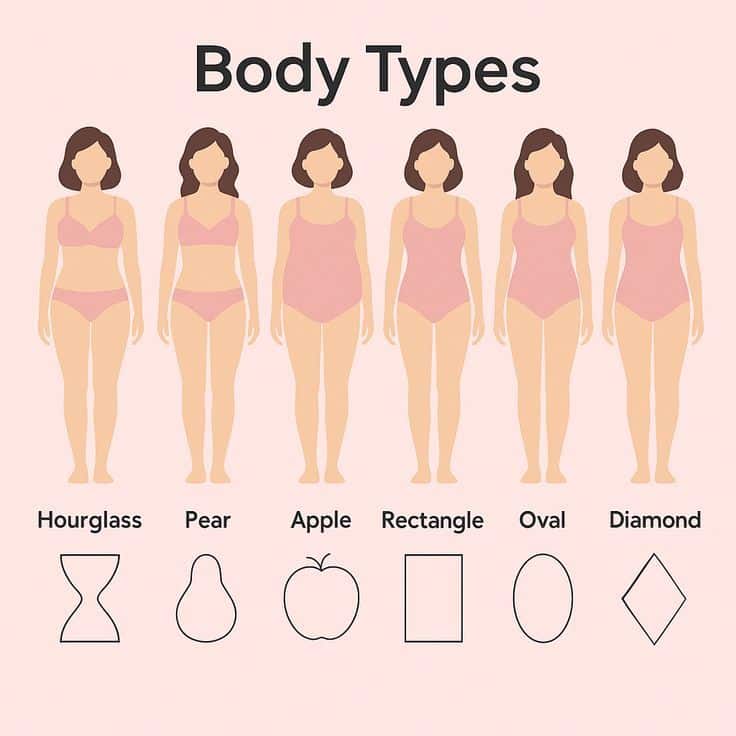
Both sarees and dresses can be flattering on any body type when chosen thoughtfully. The idea that one option suits certain bodies better than the other is outdated. What matters is proportion, tailoring, and personal comfort.
A saree can highlight curves gracefully, elongate the silhouette, and offer flexibility in draping. A dress can provide structure, support, and shape where needed. The right designer or tailor plays a crucial role in ensuring that the outfit enhances rather than hides your natural features.
Your bridal look should feel like an extension of who you are, not a departure from it. If you rarely wear dresses and feel awkward in them, that discomfort may show. Similarly, if sarees feel restrictive or unfamiliar, forcing yourself into one may diminish your confidence.
Photography and Visual Impact
Your wedding photos will preserve memories for a lifetime. Both sarees and dresses photograph beautifully, but in different ways. Sarees often create rich, layered visuals with intricate textures and traditional jewellery that tell a cultural story. Dresses tend to create clean, timeless images with emphasis on silhouette and emotion.
Consider your venue, lighting, and overall wedding aesthetic. A temple or traditional home setting may naturally complement a saree, while a garden, beach, or hotel ballroom may align more easily with a dress. Matching your outfit to the environment enhances visual harmony.
Saree or Dress? There Is No Right Answer — Only Your Answer
Choosing between a saree and a dress is not about right versus wrong. It is about alignment — with your values, comfort, identity, and vision for your wedding day. Trends will change, opinions will fade, but your memories will remain.
Take time to try both. Observe how you feel in each, not how others react. Notice your posture, your smile, and your sense of ease. The outfit that makes you feel calm, confident, and authentically yourself is the one you should choose.
Your wedding is a celebration of love, not a test of conformity. Whether wrapped in a saree rich with tradition or walking forward in a dress that reflects modern grace, what matters most is that you feel seen, honoured, and happy on one of the most meaningful days of your life.