
The journey from engagement to wedding day is one of the most meaningful chapters in a couple’s life. It is a period filled with excitement, emotions, decisions, expectations, and transformation. For many brides, this phase is not only about planning a wedding but also about preparing mentally, emotionally, and practically for a new life.
This article walks through the entire journey step by step — from the moment the engagement ring is placed on your finger to the day you walk down the aisle — helping you understand what to expect, how to plan wisely, and how to enjoy the process without feeling overwhelmed.
The Engagement: The Beginning of a New Chapter
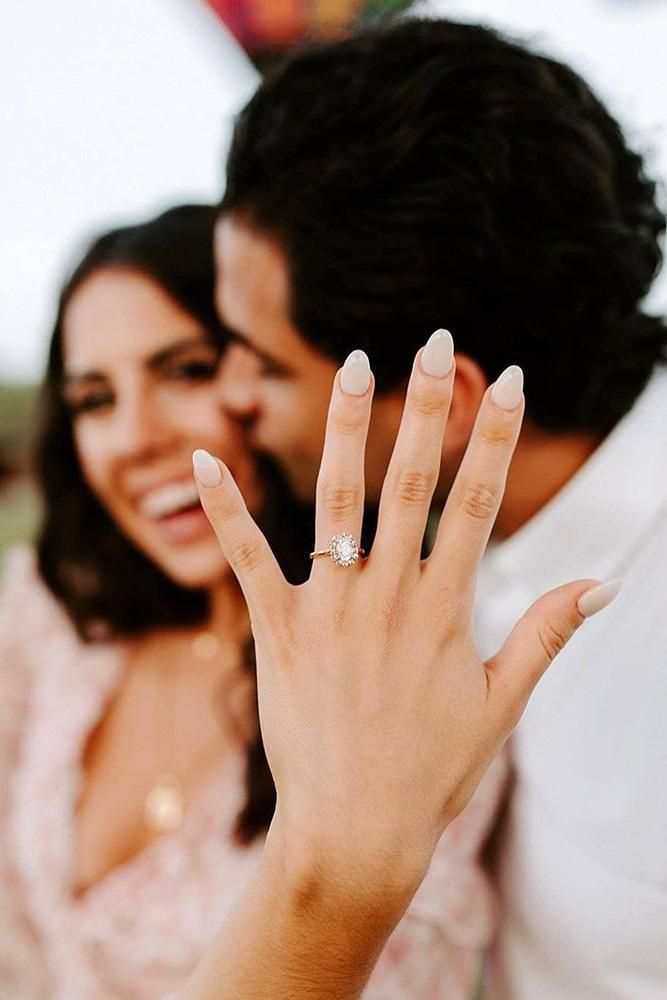
An engagement marks the official start of your wedding journey. It symbolises commitment, intention, and the promise of building a future together. While the proposal itself may be intimate or grand, what follows is often a mix of excitement and uncertainty.
During this stage, couples usually begin sharing the news with family and close friends. In many Sri Lankan households, this also means the involvement of parents and elders early on. Conversations about traditions, expectations, timelines, and cultural customs often begin at this point.
Emotionally, engagement brings joy, but it can also trigger pressure. Suddenly, there are questions about dates, venues, guest lists, and budgets. It is important to pause and enjoy this moment before rushing into planning. The engagement period should be celebrated as a milestone on its own, not just a step towards the wedding.
Setting the Foundation: Discussions and Decisions
Once the initial excitement settles, practical discussions begin. This is the stage where couples should talk openly about their vision for the wedding.
Key topics often include:
- Preferred wedding style (traditional, modern, or a blend)
- Approximate wedding date or season
- Number of events involved
- Budget expectations
- Religious or cultural requirements
These conversations are crucial because they set the tone for the entire planning process. Clear communication between partners — and with families — helps avoid misunderstandings later.
This is also the right time to decide how long the engagement period will be. Some couples prefer a short engagement, while others choose to take a year or more to plan comfortably. There is no right or wrong choice; what matters is choosing a timeline that works for both partners.
Planning Begins: Turning Ideas into Reality
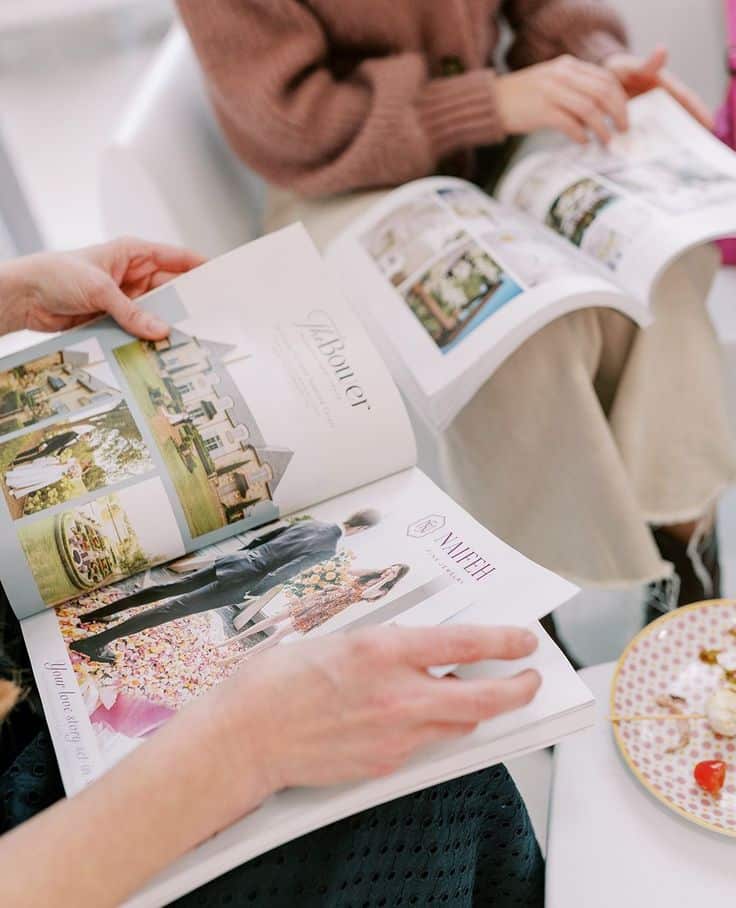
After the foundation is set, wedding planning officially begins. This phase can feel overwhelming if not approached methodically.
Many brides start by researching inspiration — from bridal outfits and jewellery to décor, photography, and makeup styles. Creating mood boards or saving inspiration images can help clarify your preferences.
At this stage, prioritisation is key. Instead of trying to perfect everything at once, focus on the most important elements first:
- Selecting a wedding date
- Booking the venue
- Shortlisting major vendors
Early planning reduces stress and provides more flexibility in choices. It also allows time for thoughtful decisions rather than rushed compromises.
Bridal Attire and Personal Style


Choosing bridal attire is one of the most emotional and personal parts of the journey. Whether it is a saree, gown, Kandyan attire, or a fusion look, the outfit often carries deep cultural and personal meaning.
This phase usually involves multiple fittings, discussions with designers, and coordination with jewellery and accessories. Brides often discover that what looks beautiful in pictures may feel different when worn, which is why early trials are important.
Alongside attire, brides begin thinking about hair, makeup, skincare, and overall appearance. Many start skincare routines months in advance, focusing on healthy habits rather than quick fixes. This is also when brides begin to understand that beauty on the wedding day comes from confidence, rest, and self-care — not just products.
Emotional Changes During the Engagement Period
Beyond logistics, the engagement period is emotionally significant. Brides may experience a range of feelings — excitement, nervousness, stress, joy, and even moments of doubt.
Balancing family expectations with personal preferences can be challenging. Social pressure, unsolicited advice, and comparisons can create unnecessary anxiety. It is important to remember that every wedding is unique, and there is no universal standard to meet.
Taking breaks from planning, maintaining routines, and spending quality time with your partner helps keep the journey grounded. Emotional preparation is just as important as physical and practical preparation.
Vendor Selection and Coordination
As the wedding day approaches, vendor coordination becomes a major focus. Photographers, florists, caterers, makeup artists, decorators, and planners all play key roles in shaping the experience.
This stage requires attention to detail — contracts, timelines, payments, and clear communication. Brides often learn the importance of asking the right questions and trusting professionals while still staying involved.
Organisation tools such as checklists, calendars, and planning folders become essential. Keeping everything documented reduces last-minute confusion and allows you to focus on enjoying the process.
Pre-Wedding Events and Traditions
Many weddings include pre-wedding events such as engagement ceremonies, bridal showers, homecomings, religious observances, or family gatherings. These events carry emotional value and strengthen bonds between families.
For brides, these moments are opportunities to connect, reflect, and celebrate the journey so far. They also serve as reminders that a wedding is not just a single day, but a series of meaningful experiences leading up to it.
Managing energy during this period is important. Over-commitment can lead to exhaustion, so learning to say no and prioritise rest becomes essential.
The Final Weeks: Preparation and Letting Go
The final weeks before the wedding are often intense. Last-minute confirmations, fittings, rehearsals, and schedules fill the days. It is easy to feel overwhelmed during this stage.
This is also when brides must practice letting go. Not everything will be perfect, and that is okay. Weddings are about connection, not perfection.
Mentally, this is a time of transition. Brides often reflect on their journey — from individual life to partnership — and prepare emotionally for change. These reflections are deeply personal and meaningful.
The Wedding Day: A Moment in Time
The wedding day itself is often described as a blur. Months of planning come together in a few emotional hours filled with rituals, smiles, tears, and celebration.
For brides, the key to enjoying the day is presence. Trust the planning you have done, rely on your support system, and allow yourself to feel the moment fully.
This day is not about flawless execution. It is about commitment, love, and the beginning of a shared life.
Beyond the Wedding: A New Beginning
While the wedding marks the end of the engagement journey, it is also the beginning of something deeper. Marriage is a continuation, not a conclusion.
The lessons learned during engagement — communication, compromise, patience, and trust — continue to shape married life. The journey from engagement to wedding day prepares couples not just for an event, but for a partnership.
The journey from engagement to wedding day is not just about planning a celebration. It is about growth, understanding, and transformation. It teaches brides to balance dreams with reality, emotions with practicality, and individuality with partnership.
By approaching this journey with intention, clarity, and self-compassion, brides can turn what might feel stressful into something meaningful and empowering.
Every engagement story is unique. Every wedding journey is personal. And every bride deserves to experience this phase with joy, confidence, and authenticity.
Check this out: