
Planning a wedding is exciting, emotional, and unforgettable. It is also one of the few times in life when joy and pressure arrive together. Between venue visits, family expectations, vendor decisions, outfits, budgets, timelines, guest lists, and hundreds of tiny details, it is very easy for even the most organised bride to feel overwhelmed.
The truth is that most brides do not struggle because they are unprepared. They struggle because wedding planning involves so many moving parts that small mistakes can quickly become expensive, stressful, or emotionally draining. A beautiful wedding does not come from perfection. It comes from making smart decisions early, staying clear on priorities, and avoiding the common errors that create unnecessary chaos.
If you are in the middle of planning your big day, understanding the most common wedding planning mistakes can save you time, money, and disappointment. From setting the wrong budget to trying to please everyone, these are the issues that often turn an exciting season into a stressful one.
This guide breaks down ten of the most common mistakes brides make and shows you how to avoid them so you can plan with more confidence, clarity, and peace of mind.
1. Starting Without a Clear Budget
One of the biggest wedding planning mistakes brides make is beginning the process without deciding on a realistic budget. It is tempting to start by looking at dresses, scrolling through décor inspiration, or visiting dream venues, but without a number in mind, everything can quickly spiral out of control.
A wedding budget is not just about the total amount you want to spend. It is about how that amount will be divided across categories such as venue, catering, photography, bridal wear, makeup, entertainment, transport, décor, stationery, and unexpected expenses. Many brides underestimate how quickly costs add up, especially when they keep saying yes to small upgrades along the way.
Without a clear budget, it becomes difficult to make confident decisions. You may fall in love with options that are not sustainable, or you may spend too much early on and then feel forced to cut corners later in areas that matter more. The smarter approach is to establish your budget first, prioritise the categories that matter most to you, and leave room for flexibility. A well-planned budget creates freedom, not limitation.
2. Trying to Please Everyone
Many brides enter the planning process believing they can keep everyone happy. Parents have opinions, relatives have expectations, friends have suggestions, and social pressure adds another layer. One of the most emotionally exhausting wedding planning mistakes is trying to satisfy every voice around you.
Weddings often come with cultural, family, and social expectations, especially in Sri Lankan settings where extended families can play a major role. While it is important to be respectful and considerate, your wedding should not become a performance designed only to meet other people’s preferences. When too many people influence the decisions, the bride can lose sight of what she actually wants.
This can affect everything from guest lists and rituals to outfits, décor themes, and even the venue itself. Over time, resentment builds, stress increases, and the joy of the process begins to fade. Brides need to remember that advice is not the same as authority. Listen to the people who matter, discuss major decisions with your partner and immediate family, but protect your vision. A wedding feels most meaningful when it reflects the couple, not the committee.
3. Booking Vendors Too Late
Another common issue among brides is delaying vendor bookings until it is almost too late. This is one of the most costly wedding planning mistakes because the best vendors are often booked months in advance, especially during peak wedding seasons.
Venues, photographers, bridal designers, beauticians, decorators, and entertainment providers usually work on limited dates. If you wait too long, you may lose access to your top choices and end up scrambling for alternatives that do not fully match your expectations or budget. Late bookings can also mean rushed decision-making, fewer negotiation options, and more stress overall.
The ideal approach is to secure priority vendors as early as possible. Start with the venue, since the date usually depends on availability. Then move quickly on photography, bridal dressing, makeup, catering, and décor. Once the key suppliers are confirmed, the rest of the planning becomes far easier. Good vendors do more than provide a service. They reduce uncertainty, improve execution, and give you peace of mind.
4. Ignoring the Guest List Until the Last Minute
Many brides focus heavily on aesthetics and logistics but leave the guest list for later. This is one of the more underestimated wedding planning mistakes, yet it affects almost every major decision in the planning process.
Your guest count influences the size of the venue, the catering budget, seating plans, invitation costs, transport arrangements, and even the overall atmosphere of the wedding. A vague or constantly changing guest list makes it hard to finalise anything properly. Brides who delay this step often find themselves forced to make sudden compromises later.
Some invite too many people out of obligation and then regret the cost. Others leave people out unintentionally, leading to awkward family situations. The best way to avoid this is to draft your guest list early, divide it into categories, and review it realistically with your partner and family. Decide who truly needs to be there and who is being included only because of pressure. A thoughtful guest list creates a better experience for everyone.
5. Focusing Too Much on Trends
Social media has made weddings more visually inspiring than ever. Brides now have access to endless reels, Pinterest boards, styled shoots, celebrity weddings, and luxury décor ideas. But one of the most common wedding planning mistakes is getting too attached to trends instead of focusing on what actually suits your wedding.
A trend may look stunning online but not fit your venue, culture, budget, season, or personality. Brides often feel pressure to include elaborate floral installations, imported styling concepts, multiple outfit changes, oversized bridal parties, or dramatic details simply because they appear popular. The problem is that trend-led planning can become expensive, impractical, and disconnected from what the couple truly values.
Timeless choices almost always age better than trend-driven ones. Instead of asking what is currently popular, ask what feels elegant, meaningful, and natural for your celebration. A wedding should feel beautiful in real life, not just in photos. The most memorable weddings are often the ones with heart, warmth, and authenticity rather than a collection of online-inspired extras.
6. Not Reading Contracts Properly
Excitement can cause brides to rush through bookings without fully reviewing vendor agreements. This is one of the most dangerous wedding planning mistakes because unclear contracts can lead to confusion, hidden costs, and serious disappointment later.
A vendor contract should clearly outline what is included, what is excluded, the payment schedule, cancellation terms, overtime charges, delivery timelines, refund policies, and responsibilities on the day. Brides who skip the fine print sometimes assume certain items are covered when they are not. This can create last-minute disputes or unexpected charges when there is little room to fix the problem.
Even if a vendor is trusted or recommended, every agreement should be reviewed carefully. Ask questions if anything is unclear. Get verbal promises confirmed in writing. Save receipts, invoices, and message records where needed. A contract is not just a formality. It protects both sides and ensures expectations are aligned. A few extra minutes spent reviewing details can prevent major stress later.
7. Underestimating the Timeline
Many brides assume they have plenty of time until the wedding day gets closer and the pressure intensifies. Poor time management is one of the most avoidable wedding planning mistakes, yet it affects everything from fittings and payments to invitation printing and ceremony coordination.
A wedding involves multiple deadlines happening at once. Outfits need alterations. Guest confirmations need follow-up. Vendors need final instructions. Seating plans need revisions. Beauty trials need scheduling. Décor plans need approval. Music, transport, accommodation, and photography timelines all need coordination. If these tasks are delayed, the final weeks can become chaotic.
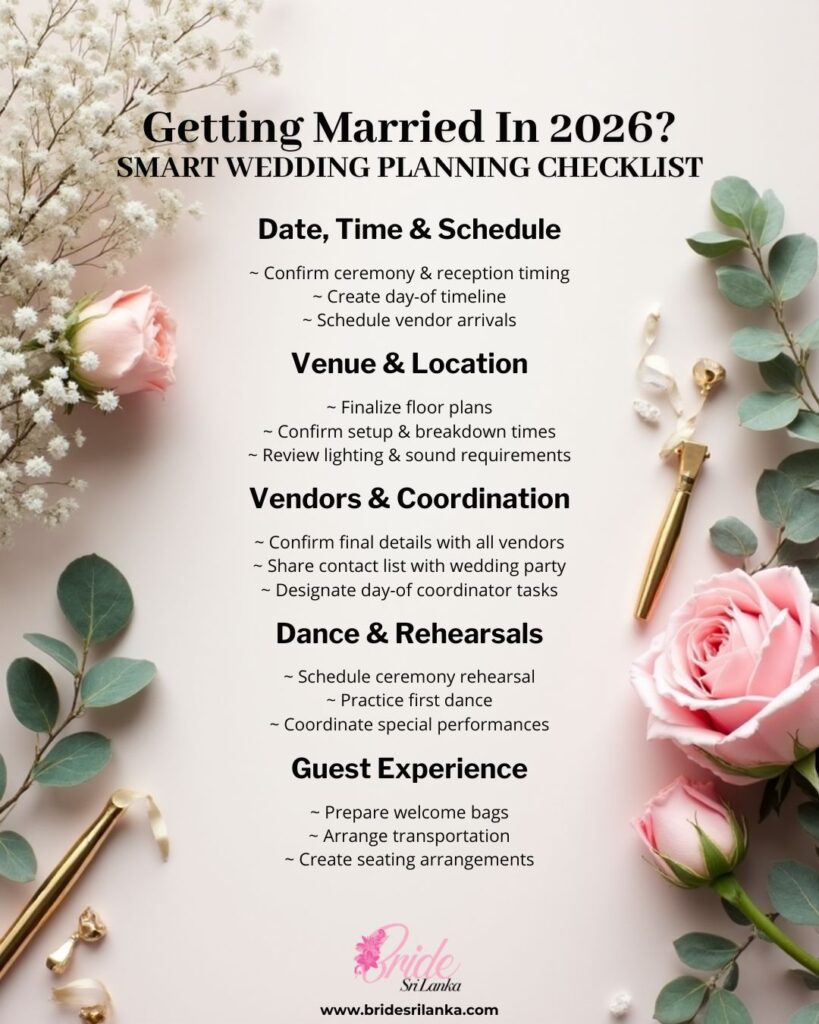
The solution is to build a planning calendar early. Break the process into monthly and weekly milestones. Keep a list of what needs to be booked, confirmed, paid, or reviewed. Do not rely only on memory. Brides who work with a clear timeline feel far more in control and are less likely to forget important details. Calm planning almost always leads to a calmer wedding day.
8. Forgetting About the Marriage and Focusing Only on the Wedding
It is understandable that brides get caught up in the event itself. Weddings are emotional, symbolic, and deeply personal. But one of the more important wedding planning mistakes is becoming so consumed by the celebration that the relationship behind it receives less attention.
A wedding lasts a day. A marriage is what follows. Some brides spend months stressing over flowers, stage designs, photos, guest impressions, and outfit perfection while neglecting rest, communication, and emotional connection with their partner. Planning pressure can lead to unnecessary arguments, fatigue, and unrealistic expectations.
It is important to keep checking in with each other throughout the process. Have honest conversations about finances, values, responsibilities, family boundaries, and post-wedding plans. Make time for moments that have nothing to do with planning. Protect the relationship from becoming another task on the list. The strongest weddings are built on the strength of the partnership, not just the beauty of the event.
9. Skipping a Backup Plan
Hope is important, but planning without a backup is one of the riskiest wedding planning mistakes any bride can make. Unexpected things happen. Weather changes. Vendors face emergencies. Deliveries run late. Traffic causes delays. Technical equipment fails. Health issues arise. A wedding day needs contingency thinking.
Outdoor weddings in particular need weather alternatives. Makeup schedules need buffer time. Transport plans need backup vehicles or clear timing. Important items such as rings, outfits, safety pins, tissues, touch-up kits, chargers, and documents should be kept ready. Brides who assume everything will go exactly as planned often experience more stress when even small disruptions occur.
A backup plan does not mean expecting disaster. It means planning intelligently. Assign trusted people to handle different responsibilities. Prepare for delays. Confirm everything again in the final week. Think through what could go wrong and how it would be managed. That level of preparation creates confidence and reduces panic.
10. Forgetting to Enjoy the Process
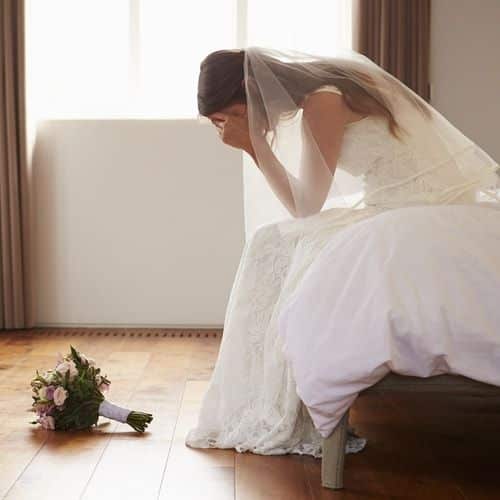
Perhaps the saddest of all wedding planning mistakes is forgetting to enjoy this chapter. Many brides spend the entire engagement period in stress mode, constantly worried about details, comparisons, deadlines, and expectations. Then the wedding passes in a blur, and they realise they were too anxious to actually experience it.
Perfection is not what makes a wedding memorable. Emotion does. The laughter, the anticipation, the quiet moments, the support of loved ones, the meaning behind the vows, and the joy of beginning a new life together matter far more than whether every detail looked flawless. Brides who place impossible pressure on themselves often miss the beauty of what is happening in real time.
Give yourself permission to pause. Celebrate small milestones in the planning process. Accept that not everything will go exactly as imagined. Let people help you. Trust the work you have done. A joyful bride does not come from perfect planning. She comes from grounded expectations, emotional support, and remembering what the day is truly about.
Planning a wedding is a major life experience, and mistakes can happen even with the best intentions. But many of the most common problems are avoidable once you know what to watch for. These wedding planning mistakes are not signs that a bride is failing. They are simply reminders that weddings need both vision and structure.
The best wedding plans are built on clarity, not panic. Know your budget. Protect your priorities. Book early. Read carefully. Stay organised. Keep communication open. Make room for flexibility. Most importantly, do not lose yourself in the pressure of making everything look perfect.
Your wedding is not meant to impress everyone. It is meant to celebrate love, commitment, family, and a meaningful beginning. Plan it wisely, but also live it fully. That balance is what turns a stressful season into a beautiful memory.