
Planning a wedding outfit is exciting, but the dress, saree, lehenga or Kandyan bridal look is only one part of the final bridal image. The details that complete the look often come from the right bridal accessories. These include jewellery, shoes, hair pieces, veils, bags, belts, undergarments, and even small emergency items that make the wedding day easier.
Many brides leave these details until the last few weeks. That can create stress, rushed decisions and last-minute styling mistakes. The best bridal looks are planned as a complete picture. Your outfit, jewellery, hairstyle, makeup, footwear and accessories should work together, not compete with each other.
Read more on BrideSriLanka.com 👇🏼
For Sri Lankan brides, this planning is even more important. A bride may need different looks for the church wedding, poruwa ceremony, registration, homecoming, reception or going-away outfit. Each look may need separate bridal accessories, especially if the outfits are culturally different.
Here are the most important bridal accessories every bride should plan early.
Plan Your Bridal Jewellery Before the Final Fitting
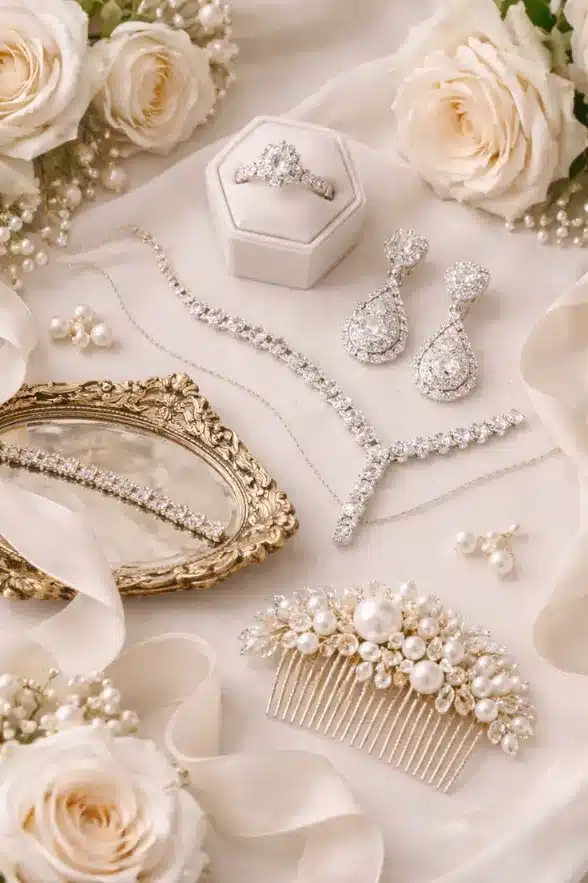
Jewellery is one of the most important bridal accessories because it frames the face and completes the outfit. Whether you are wearing diamonds, gold, pearls, costume jewellery or traditional Kandyan pieces, your jewellery should match the neckline, fabric, embroidery and overall mood of the bridal look.
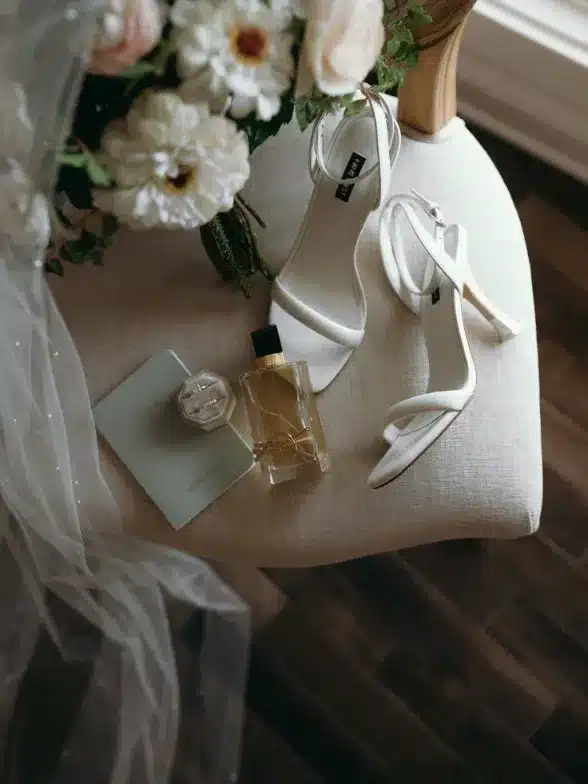
If your outfit has a heavily worked neckline, you may not need a large necklace. Statement earrings may be enough. If your outfit is simple, a beautiful necklace or layered jewellery can add richness. For sarees and Kandyan bridal looks, jewellery can also carry cultural meaning, so it should be planned carefully.
Do not wait until the outfit is finished to choose jewellery. Take photos of your outfit fabric, neckline and embroidery when shopping. Better still, try the jewellery during your fitting. This helps you see whether the scale, colour and shine are right.
Choose Your Hair Accessories Early
Hair accessories should be planned along with your hairstyle. A tiara, hair comb, pins, fresh flowers, artificial flowers, veil clip or maang tikka will only look right if it suits the hairstyle.
For example, a low bun may suit a comb or floral arrangement. Loose waves may look better with delicate pins. A traditional bridal hairstyle may need more structured accessories. If you are wearing a veil, the placement of the veil must also work with the hair accessory.
Speak to your hairstylist before buying these bridal accessories. Show them your outfit, jewellery and veil. This will help them guide you on what will stay secure throughout the ceremony and reception.
The most beautiful hair accessory is not always the biggest one. It is the one that supports the full look without making it too crowded.
Finalise Your Veil or Dupatta With the Outfit
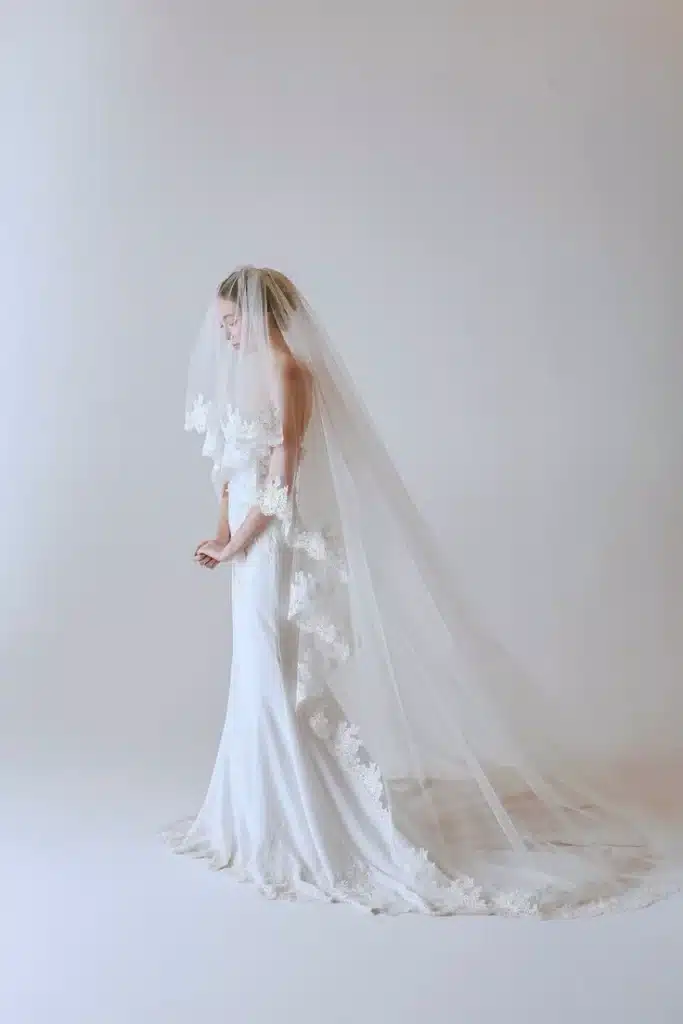
A veil, dupatta or shawl can completely change the bridal look. It affects the shape, height and movement of the outfit. That is why it should be planned early.
If you are wearing a Western bridal gown, consider the length of the veil. A cathedral veil gives a grand look, while a shorter veil feels modern and simple. If you are wearing a lehenga or saree, the dupatta drape can influence how the jewellery and blouse are seen.
The colour must also match carefully. White, ivory, cream, champagne and off-white can look very different next to each other. For traditional outfits, embroidery tones should also be checked under natural and indoor lighting.
Bring your veil or dupatta to at least one final fitting. This allows the designer or stylist to check the full balance of the look.
Buy Comfortable Bridal Shoes Before Alterations
Shoes are often treated as an afterthought, but they are one of the most practical bridal accessories. Your shoes affect your posture, height, dress length and comfort.
Buy your bridal shoes before your final outfit alteration. If your gown, saree or lehenga is adjusted without the correct heel height, the final length may be wrong. The outfit may drag, trip you or sit awkwardly.
Comfort matters more than most brides realise. You may be standing for hours, walking slowly, posing for photos and greeting guests. Choose shoes that support your feet. If you are not used to very high heels, your wedding day is not the best time to experiment.
Break in your shoes before the wedding. Wear them at home for short periods. This helps avoid blisters and discomfort on the day.
Prepare Your Bridal Undergarments in Advance
The right undergarments can improve the fit of your outfit. The wrong ones can ruin the shape, create visible lines or make you uncomfortable.
Plan your bridal bra, shapewear, petticoat, slip or bodysuit early. These bridal accessories should be worn during outfit fittings so the designer can adjust the outfit correctly.
For sarees, the blouse fit and petticoat structure are very important. For gowns, the bra and shapewear must suit the neckline, back design and fabric. For fitted dresses, seamless undergarments are usually better.
Do not buy shapewear that is too tight. It may look smooth for a few minutes, but it can become painful during a long wedding day. The goal is support, not discomfort.
Match Your Bridal Bag to the Full Look
A bridal bag may seem small, but it is useful. You may need to keep lipstick, tissues, safety pins, mints, compact powder or your phone nearby.
Choose a small clutch or pouch that matches the outfit. It does not have to be identical, but it should feel connected to the full style. A pearl clutch, gold purse, satin pouch or embellished mini bag can work beautifully depending on the outfit.
This is one of the bridal accessories that brides often forget. Planning it early means you will not end up carrying something that looks out of place in photos.
You can also give the bag to your maid of honour, sister or close friend during the ceremony.
Select Your Bridal Belt or Waist Detail Carefully
A belt, waist chain, sash or decorative waist detail can enhance the bridal silhouette. It can define the waist, add sparkle or connect the blouse and skirt visually.
However, this accessory must be chosen carefully. If the outfit already has heavy embroidery, a belt may make the look too busy. If the outfit is simple, it can add structure and elegance.
For sarees, a waist chain or decorative belt can look graceful, especially for traditional or cultural looks. For gowns, a thin embellished belt can make the waistline more defined.
Try this accessory with the full outfit before confirming it. Small details can make a big difference.
Coordinate Accessories for Each Wedding Event
Many Sri Lankan brides have more than one wedding-related event. The engagement, registration, poruwa ceremony, church wedding, reception and homecoming may all have different outfits.
Each outfit needs its own set of bridal accessories. The same earrings, shoes or hair accessory may not work for every look. Planning early helps avoid confusion.
Create a separate accessory list for each event. Include jewellery, shoes, hair pieces, bag, undergarments and any cultural items. Then pack them separately closer to the wedding.
This simple step can prevent panic on the day. It also helps your bridal party know what belongs to each look.
Do Not Forget Practical Bridal Accessories
Not all accessories are decorative. Some are practical and can save the day.
Every bride should prepare a small emergency kit. It can include safety pins, fashion tape, mini sewing kit, pain relief, plasters, tissues, blotting paper, lipstick, hair pins, breath mints and stain remover wipes.
These may not appear in your photos, but they are some of the most useful bridal accessories you can prepare. A loose hook, uncomfortable shoe or smudged lipstick can be fixed quickly if the right items are nearby.
Give this kit to someone reliable. You should not be the one searching for pins or tissues during the wedding.
Test Everything Before the Wedding Day
A full bridal trial is one of the best ways to avoid styling mistakes. Wear your outfit, jewellery, shoes, veil, hair accessory and makeup together if possible.
This helps you see the complete look. It also shows whether anything feels too heavy, too loose, too tight or uncomfortable. You may realise that the earrings are too large, the shoes need padding or the veil needs a stronger clip.
Testing your bridal accessories early gives you time to make changes. Last-minute changes are stressful and often more expensive.
Photos are also useful. Take a few pictures in natural light and indoor light. Sometimes accessories look different in photos than they do in the mirror.
Keep the Look Balanced and Personal
The best bridal look is not about wearing every beautiful item you find. It is about balance. Your accessories should support your beauty, outfit and personality.
If your outfit is dramatic, choose accessories that refine the look. If your outfit is minimal, you can add one or two stronger pieces. If you love traditional style, embrace meaningful details. If you prefer a modern look, keep the accessories clean and elegant.
Trends can inspire you, but they should not control your choices. Your wedding look should still feel like you.
When chosen well, bridal accessories make the bride look complete, confident and comfortable.
Start Early, Style Better
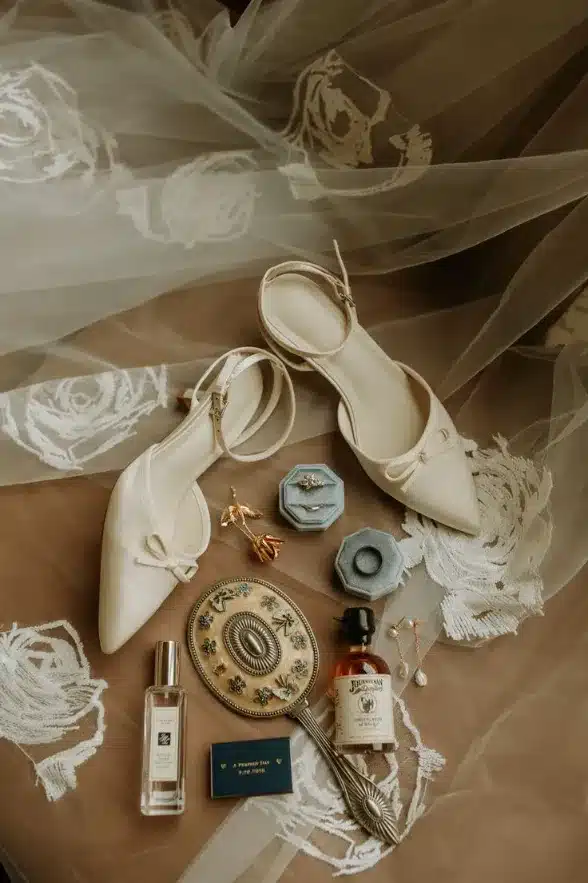
Planning bridal accessories early helps every bride avoid stress and create a polished wedding look. Jewellery, shoes, hair pieces, veils, bags, undergarments and practical items all matter.
The earlier you plan them, the easier it becomes to match them with your outfit, hairstyle and wedding theme. You also get more time to compare options, manage your budget and make confident decisions.
A beautiful bridal look is never built from the outfit alone. It is created through thoughtful details. When every accessory has a purpose, the final look feels elegant, natural and unforgettable.