
When planning a wedding, couples often spend months perfecting the guest list, décor, outfits, and ceremony details. Yet one area that quietly causes confusion—especially for first-time grooms—is the distinction between the best man and the groomsmen. While both roles sit on the groom’s side of the wedding party, they are not interchangeable. Each comes with its own expectations, responsibilities, and symbolic meaning.
For Sri Lankan weddings, where tradition, family dynamics, and modern influences intersect, understanding these roles clearly can help avoid misunderstandings, hurt feelings, or unnecessary stress. This guide breaks down the difference between a best man and groomsmen, explains their duties before, during, and after the wedding, and offers practical advice on choosing the right people for each role.
Understanding the Groom’s Wedding Party
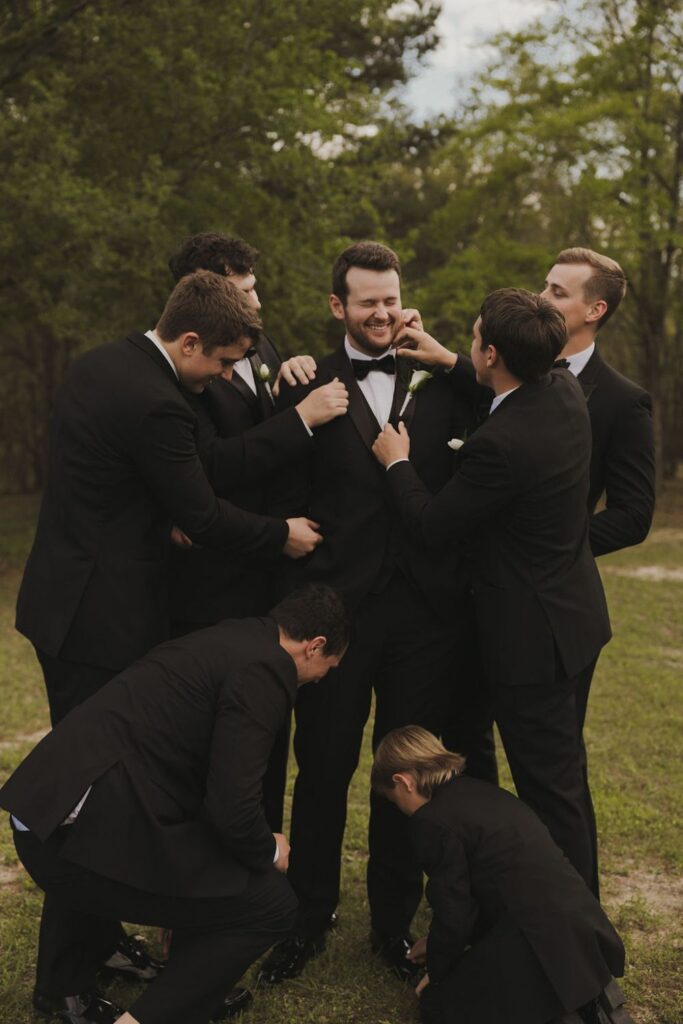
The groom’s wedding party traditionally represents his closest support system—friends, brothers, cousins, or trusted confidants who stand by him as he enters marriage. In most weddings today, this group consists of:
- One Best Man
- Several Groomsmen
While they may dress similarly and appear together during the ceremony, their responsibilities, authority, and emotional roles differ significantly.
Who Is the Best Man?
The best man is the groom’s primary supporter and right-hand person throughout the wedding journey. Traditionally, this role is given to the groom’s closest friend or brother—someone who knows him well, can be relied upon under pressure, and is comfortable taking initiative.
The Symbolic Role of the Best Man
Beyond logistics, the best man represents trust. He is the person the groom leans on when nerves hit, plans change, or family expectations collide. In many cultures, including Sri Lankan weddings influenced by Western traditions, the best man is seen as a witness—not just legally, but emotionally—to the groom’s transition into married life.
Who Are the Groomsmen?
Groomsmen are the groom’s supporting team. They may include friends, relatives, or colleagues who share an important bond with the groom but are not expected to shoulder the full responsibility carried by the best man.
Their role is collective rather than individual. Groomsmen assist, participate, and support—but they usually do so under the coordination of the best man.
Key Differences Between the Best Man and Groomsmen
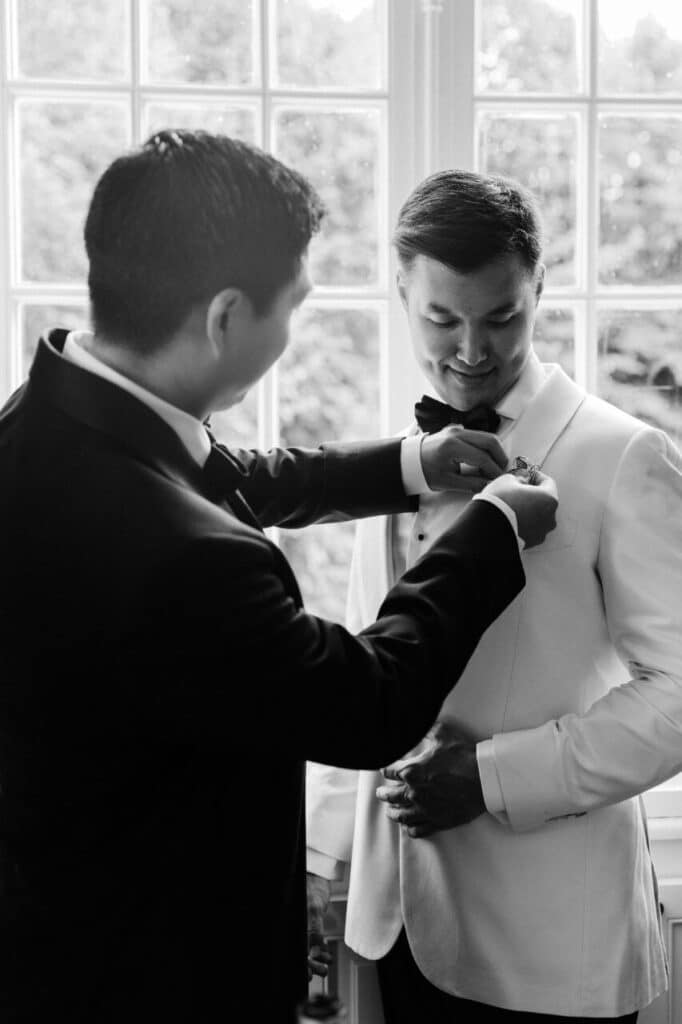
Level of Responsibility
The clearest difference lies in responsibility.
- Best Man: Oversees and coordinates. Acts as the groom’s main problem-solver.
- Groomsmen: Assist with specific tasks when asked.
The best man is accountable for ensuring things run smoothly on the groom’s side, while groomsmen provide backup and presence.
Emotional Support Role
Weddings can be emotionally intense, especially in Sri Lankan contexts where family expectations, cultural rituals, and multiple events are involved.
- Best Man: Primary emotional anchor for the groom. The person he talks to openly about stress, doubts, or excitement.
- Groomsmen: Offer camaraderie, humour, and moral support, often helping to lighten the mood.
Decision-Making Authority
- Best Man: Often empowered to make quick decisions on behalf of the groom—such as managing delays, handling vendors, or resolving minor conflicts.
- Groomsmen: Do not typically make decisions independently unless instructed.
Visibility and Speaking Role
- Best Man: Traditionally delivers a speech at the reception. This is a moment of honour and responsibility.
- Groomsmen: Rarely give formal speeches unless the couple specifically requests it.
Duties Before the Wedding
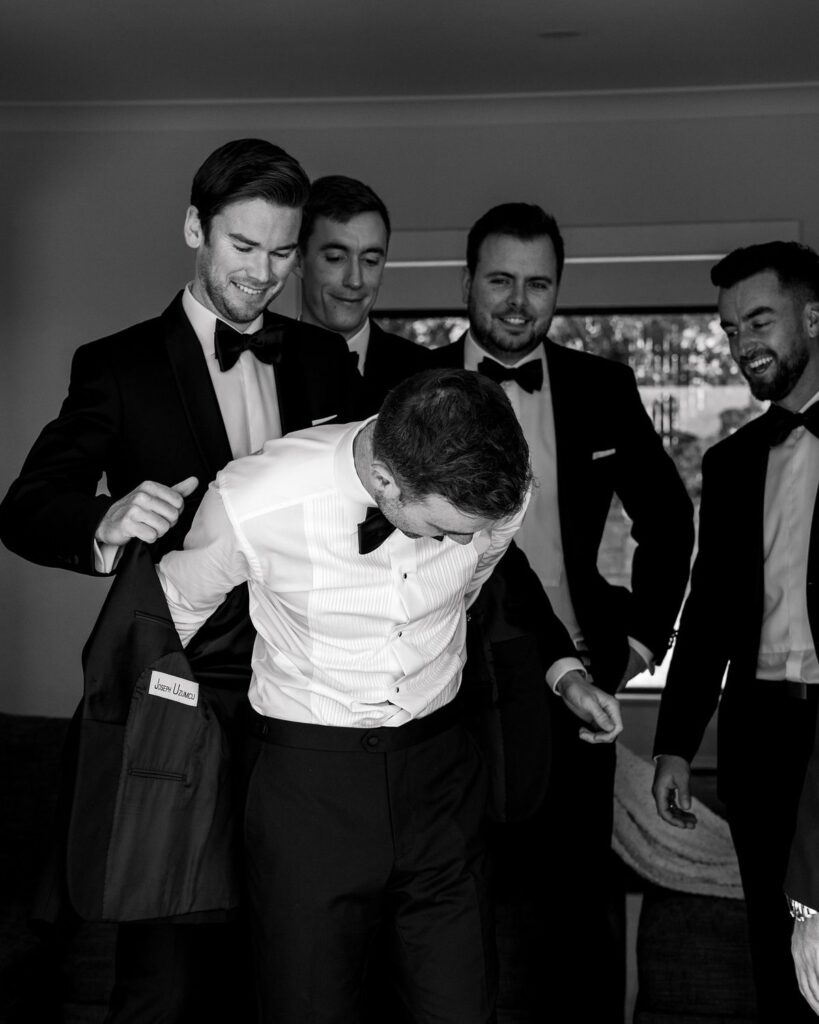
Best Man’s Pre-Wedding Responsibilities
Before the wedding day, the best man’s role often begins months in advance.
Common duties include:
- Helping the groom plan or coordinate the bachelor party
- Assisting with outfit selection and fittings
- Keeping track of timelines, invitations, and schedules
- Acting as a communication bridge between groomsmen and the groom
- Providing honest advice and grounding support
In Sri Lankan weddings with multiple events—such as poruwa ceremonies, homecomings, and receptions—the best man often helps the groom navigate packed schedules.
Groomsmen’s Pre-Wedding Responsibilities
Groomsmen are expected to:
- Attend fittings and rehearsals
- Participate in bachelor events
- Support planning tasks when asked
- Be available for pre-wedding photoshoots or rituals
Their involvement is supportive rather than managerial.
Duties on the Wedding Day
What the Best Man Does on the Big Day
On the wedding day, the best man’s role becomes critical.
Typical responsibilities include:
- Ensuring the groom is dressed and ready on time
- Holding the wedding rings (a major responsibility)
- Managing last-minute issues discreetly
- Keeping track of the groom’s essentials (phone, wallet, accessories)
- Standing closest to the groom during the ceremony
- Delivering the best man’s speech at the reception
In Sri Lankan weddings, where rituals may involve movement between venues or homes, the best man often helps coordinate transitions smoothly.
What Groomsmen Do on the Wedding Day
Groomsmen typically:
- Accompany the groom
- Participate in the procession
- Assist guests if needed
- Help with crowd flow during photos
- Maintain a polished, supportive presence
They play an important visual and practical role, but without the pressure of oversight.
Duties After the Wedding
While less discussed, post-wedding responsibilities still matter.
- Best Man: May assist with logistics such as returning hired outfits, ensuring gifts are secured, or helping the groom transition into post-wedding commitments.
- Groomsmen: Often help with informal clean-up, farewells, or next-day events.
Choosing the Right Best Man
Selecting a best man should be a thoughtful decision—not a popularity contest.
Ask yourself:
- Who knows me best under pressure?
- Who can handle responsibility calmly?
- Who understands both my personality and my family dynamics?
- Who will prioritise my needs during the wedding?
In Sri Lanka, many grooms choose a brother or cousin out of tradition, but a close friend can be just as appropriate if trust and reliability are strong.
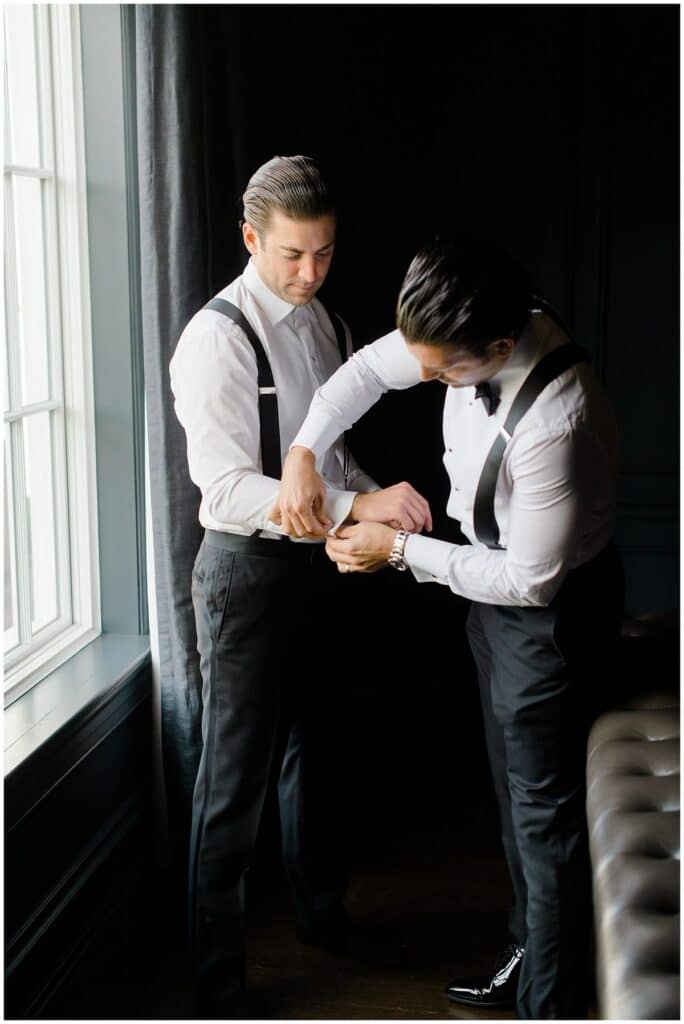
Choosing Groomsmen Wisely
When choosing groomsmen, balance emotional closeness with practicality.
Consider:
- Group dynamics (will they work well together?)
- Availability for events and rehearsals
- Willingness to cooperate with dress codes and schedules
You do not need to include everyone. A smaller, reliable group is often better than a large, disengaged one.
Can You Have More Than One Best Man?
Modern weddings are flexible. Some couples choose:
- Two co-best men, especially if the groom has two equally close relationships
- A best woman, if a close female friend is the groom’s primary support
For Sri Lankan weddings, this is becoming more accepted, particularly in urban and modern settings. Clear communication is key to avoid confusion about responsibilities.
Do You Need Groomsmen at All?
Not necessarily.
Some grooms opt for:
- Only a best man
- No formal wedding party
- Family-only support
The decision should reflect your personality, wedding size, and comfort level—not tradition alone.
Cultural Context: Sri Lankan Weddings Today
Sri Lankan weddings often blend Kandyan, low-country, Tamil, Muslim, or Western customs. In many cases, the roles of best man and groomsmen are adapted rather than rigidly followed.
What matters most is:
- Respect for family expectations
- Clear communication
- Choosing people who genuinely support you
There is no single “correct” structure—only what works best for you and your partner.
It’s About Support, Not Titles
At its core, the difference between the best man and groomsmen is not about hierarchy—it’s about depth of responsibility and trust. The best man carries the weight of leadership and emotional support, while groomsmen strengthen the experience through camaraderie and presence.
When chosen thoughtfully, both roles enhance the wedding—not just for the groom, but for the entire celebration. A well-supported groom is calmer, more present, and better able to enjoy one of the most important days of his life.
If you are planning your wedding, take the time to define these roles clearly. It will make your journey smoother, your friendships stronger, and your wedding day far more memorable.