
For decades, white has dominated bridal imagery. It symbolises purity, tradition, and formality — and for many brides, it will always feel timeless. But modern brides are no longer bound by a single colour narrative. Today’s bride is more self-aware, more expressive, and far more intentional about how she wants to look and feel on her wedding day.
Choosing bridal colours is no longer about following rules. It is about understanding tone, culture, personality, setting, and emotion — and using colour as a language rather than a limitation.
This guide explores how to move beyond white, without losing elegance, meaning, or bridal identity. Whether you dream of soft pastels, rich jewel tones, warm neutrals, or subtle colour accents, this is how to choose bridal colours that feel authentically you.
Check this out 👇🏼
Why White Is No Longer the Only Bridal Standard
White became a bridal standard relatively recently in history. Before that, brides wore colours that symbolised prosperity, joy, fertility, or family status — often red, gold, blue, or even green depending on culture and era.
Today, white remains beautiful, but it is no longer obligatory. Brides are embracing colour because:
- Weddings are more personalised than ever
- Cultural fusion weddings are increasingly common
- Outdoor and destination weddings demand different palettes
- Brides want emotional resonance, not symbolic obligation
Choosing colour does not make a bride “less bridal.” It makes her intentional.
Understanding Colour as Emotional Expression
Every colour carries an emotional temperature. Before focusing on trends, fabrics, or Pinterest boards, it is important to ask a more foundational question:
How do you want to feel on your wedding day?
- Calm and ethereal
- Powerful and regal
- Romantic and soft
- Modern and minimalist
- Joyful and celebratory
Colour is one of the strongest emotional cues in visual storytelling. A gown’s colour can quietly reinforce confidence, warmth, softness, or authority — sometimes more powerfully than silhouette or embellishment.
How Skin Tone and Undertones Influence Bridal Colours
One of the most overlooked aspects of choosing bridal colours is undertone, not skin shade.
Two brides with similar complexions can look dramatically different in the same colour depending on whether their undertones are warm, cool, or neutral.
Warm undertones tend to glow in:
- Ivory
- Champagne
- Gold
- Peach
- Warm blush
- Soft terracotta
Cool undertones are enhanced by:
- Pure white
- Silver
- Dusty rose
- Lavender
- Cool pastels
- Blue-based greys
Neutral undertones are the most versatile and can balance both worlds — making them ideal for experimenting with subtle colour shifts.
Trying on dresses in natural light is essential. Artificial lighting often distorts how colours sit against the skin.
Soft Neutrals: Ivory, Champagne, and Blush
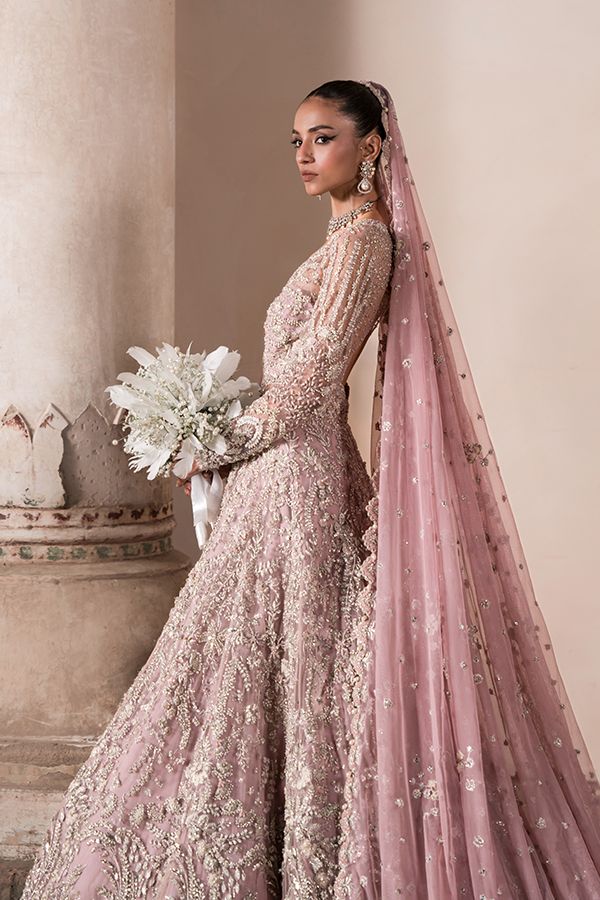
For brides who love tradition but want something gentler than stark white, soft neutrals are the most seamless transition.
Ivory and champagne tones photograph beautifully, soften the complexion, and feel luxurious rather than formal. Blush undertones add warmth and romance without overpowering the bridal aesthetic.
These shades work exceptionally well for:
- Garden weddings
- Daytime ceremonies
- Sri Lankan outdoor settings
- Vintage or classic themes
They also pair beautifully with gold jewellery, floral embroidery, and hand-worked lace.
Pastel Bridal Colours: Romantic Without Being Playful
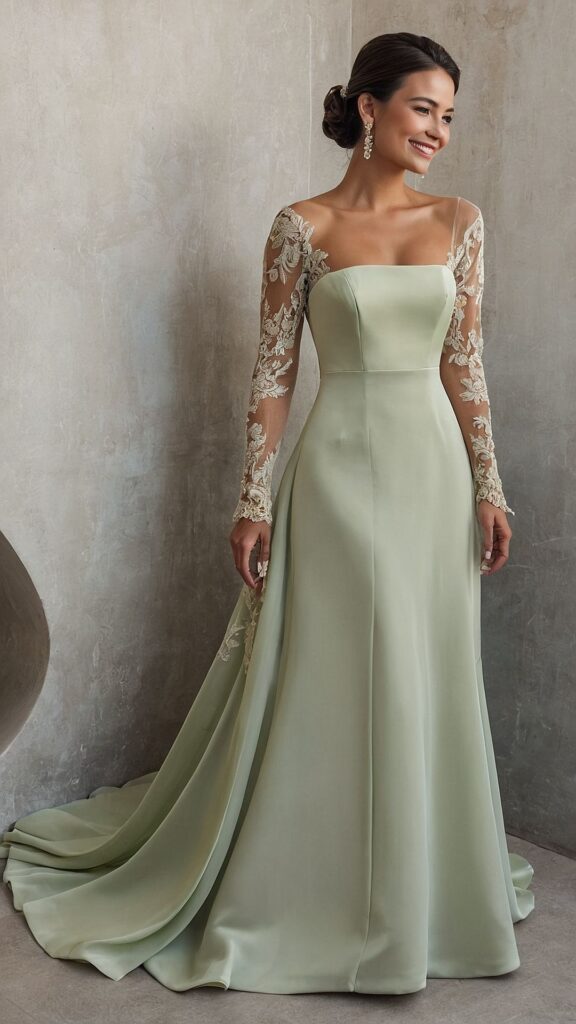
Pastels have matured. Today’s pastel bridal gowns are muted, sophisticated, and layered — not sugary or juvenile.
Popular modern pastel options include:
- Dusty rose
- Soft lavender
- Powder blue
- Sage green
- Mist grey
These colours create a sense of quiet romance and are ideal for brides who want individuality without drama.
Pastels shine in:
- Destination weddings
- Beach or resort settings
- European-inspired ceremonies
- Contemporary fusion weddings
The key is restraint. Pastels work best when the fabric, cut, and embellishment remain refined.
Jewel Tones for the Confident Bride
Jewel tones are rich, bold, and unapologetic — and when done right, they are breathtakingly bridal.
Think:
- Emerald
- Deep ruby
- Sapphire
- Burgundy
- Amethyst
These colours carry weight and authority. They suit brides who are confident, expressive, and comfortable standing out.
Jewel tones are particularly powerful for:
- Evening weddings
- Indoor or candle-lit venues
- Cultural or heritage ceremonies
- Brides who prefer minimal embellishment
When choosing jewel tones, fabric choice is critical. Silk, velvet, satin, and organza elevate colour; stiff or synthetic fabrics can make it feel costume-like.
Cultural Context and Colour Meaning
In South Asian and Sri Lankan weddings, colour often carries layered cultural meaning.
Red symbolises prosperity and fertility. Gold represents abundance. Ivory suggests grace and continuity. Even modern brides may want to honour these meanings subtly.
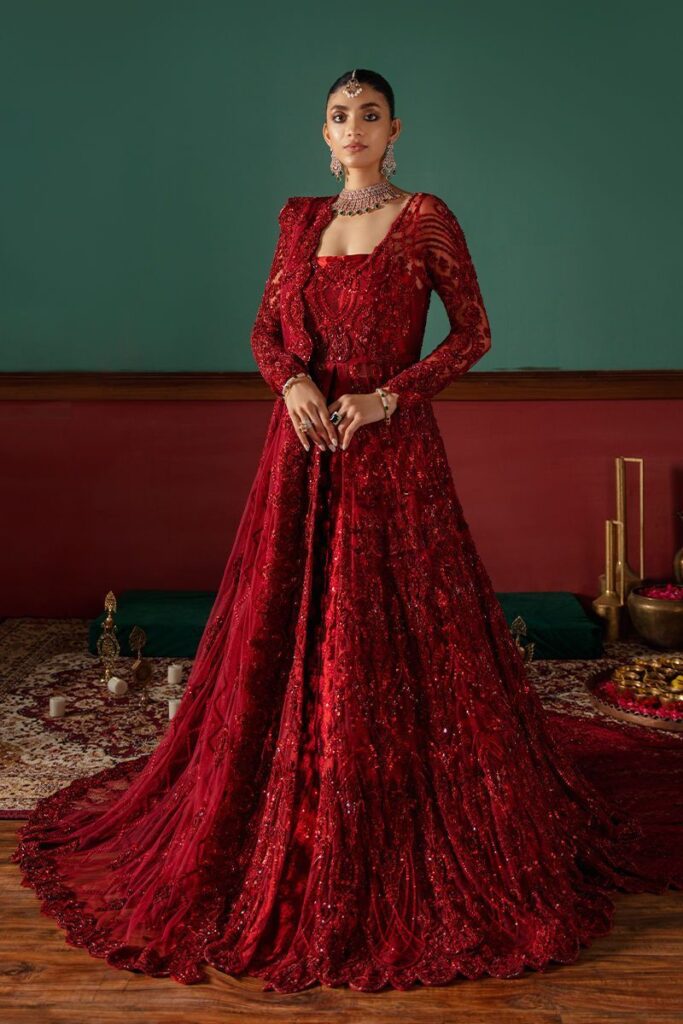
This can be achieved through:
- Coloured embroidery rather than full gowns
- Border work and accents
- Jewellery and accessories
- Second-look outfits
Blending cultural symbolism with personal style allows colour to become a bridge between heritage and individuality.
How Venue and Setting Shape Colour Choices
A bridal colour that looks stunning indoors may feel overwhelming outdoors — and vice versa.
Consider the setting carefully:
- Beach weddings benefit from lighter tones, airy pastels, and warm neutrals
- Garden venues pair beautifully with blush, sage, ivory, and muted florals
- Ballrooms can carry richer tones and structured whites
- Historic venues suit antique shades, champagne, and jewel tones
Your dress should harmonise with the environment, not compete with it.
Mixing Colours: Modern Bridal Layering
Modern bridal fashion embraces layering rather than singular colour statements.
This can include:
- An ivory base with blush or gold embroidery
- White gowns with coloured underskirts
- Neutral dresses styled with coloured veils
- Soft ombré transitions
Layering allows brides to explore colour without committing fully — offering depth, movement, and visual interest.
Accessories as a Gateway to Colour
If a coloured gown feels like too big a step, accessories provide an elegant entry point.
Consider introducing colour through:
- Shoes
- Veils
- Dupattas or shawls
- Jewellery stones
- Floral headpieces
This approach works especially well for brides who want a traditional ceremony look and a more expressive reception style.
Seasonal Influence on Bridal Colours
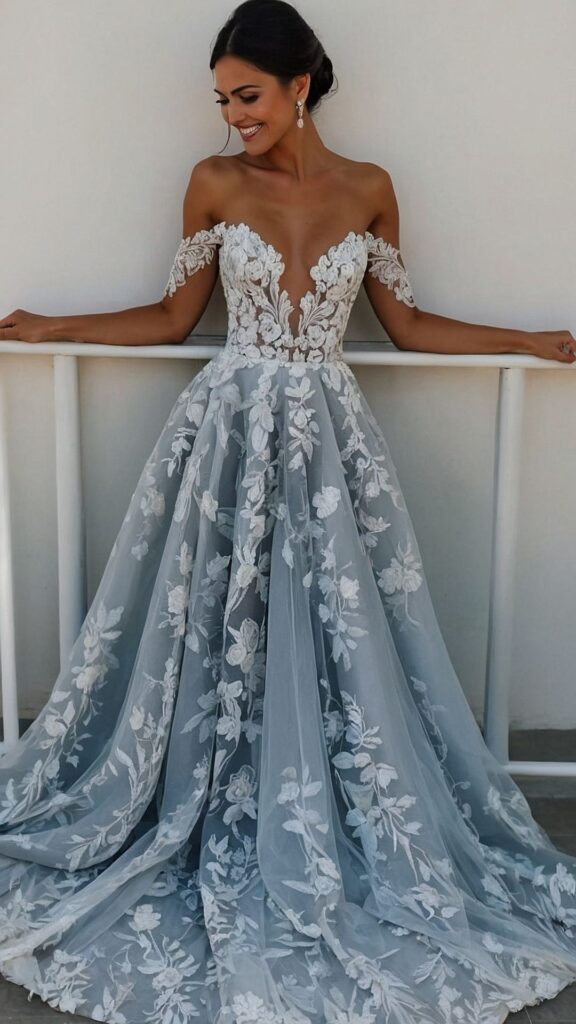
Seasonal awareness subtly elevates bridal styling.
- Dry-season weddings pair well with warm neutrals, golds, and pastels
- Monsoon weddings suit deeper tones that contrast beautifully with lush surroundings
- Evening ceremonies allow for richer palettes and metallic accents
Seasonal colour alignment enhances visual coherence in photography and décor.
Letting Colour Reflect Your Personality
Ultimately, bridal colour is not about trends — it is about truth.
Ask yourself:
- Do I feel most like myself in soft or strong colours?
- Do I prefer subtle elegance or visible statement?
- What colours make me feel confident, calm, or powerful?
Your wedding day is not a performance. It is a moment of alignment. The right colour should feel natural, not performative.
Breaking the Myth: White Equals Bridal
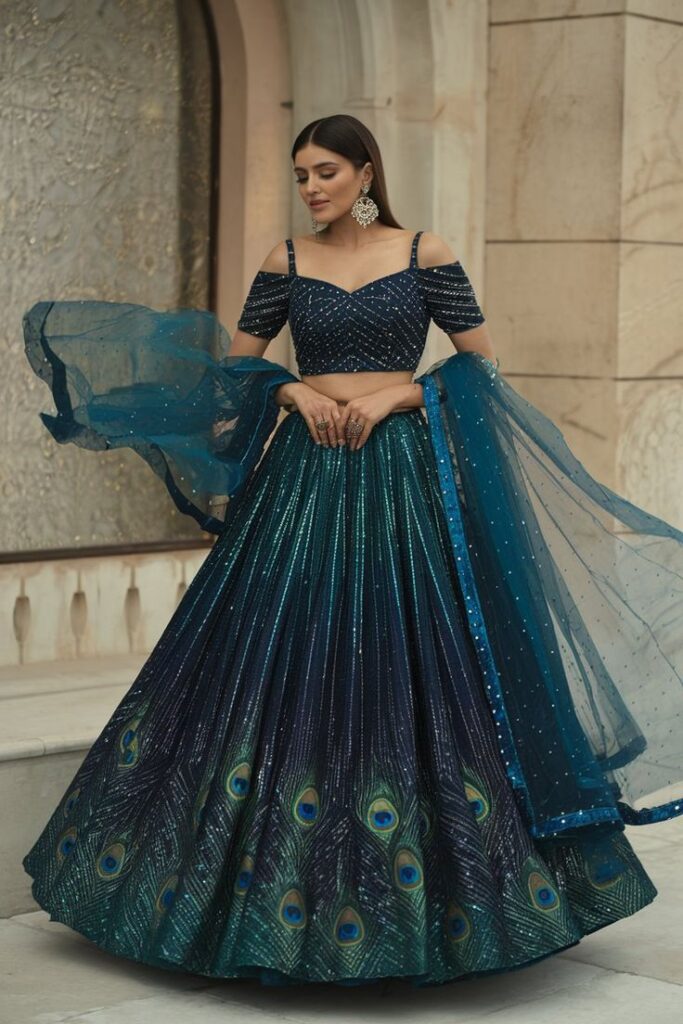
One of the most persistent myths in bridal fashion is that white defines bridal identity. It does not.
Bridal identity is defined by:
- Intention
- Presence
- Confidence
- Emotional resonance
A bride in champagne, blush, gold, or emerald is no less bridal than one in white — she is simply more specific.
Choosing Colour With Confidence
Moving beyond white does not mean rejecting tradition. It means reinterpreting it through a personal lens.
The most memorable brides are not those who follow rules perfectly, but those who look unmistakably themselves — calm, grounded, and intentional.
Colour is not a risk. When chosen thoughtfully, it becomes one of the most powerful expressions of who you are as a bride.
Let your wedding colours tell your story — quietly, beautifully, and without apology.