
Weddings are layered with tradition, symbolism, and increasingly, personal branding. From the ceremony look to the reception outfit change, modern brides curate every detail with intention. But one question still quietly divides opinion: Is a going-away dress a meaningful bridal tradition — or simply another line item in an already stretched wedding budget?
For many Sri Lankan brides planning through platforms like BrideSriLanka, budgeting decisions are becoming more strategic. Couples are balancing aesthetic vision with financial discipline. So let’s unpack this properly — culturally, practically, and financially.
What Is a Going-Away Dress?
A going-away dress is the outfit a bride changes into when leaving the wedding reception. Historically, it symbolised the bride’s transition into her new life. In Western traditions, brides would leave in a smart suit or modest dress suitable for travel.
In Sri Lankan weddings, particularly traditional Kandyan or Poruwa ceremonies, the concept wasn’t originally central. Brides typically left in their saree or osariya. However, with the rise of hotel weddings and destination receptions, the going-away outfit has evolved into:
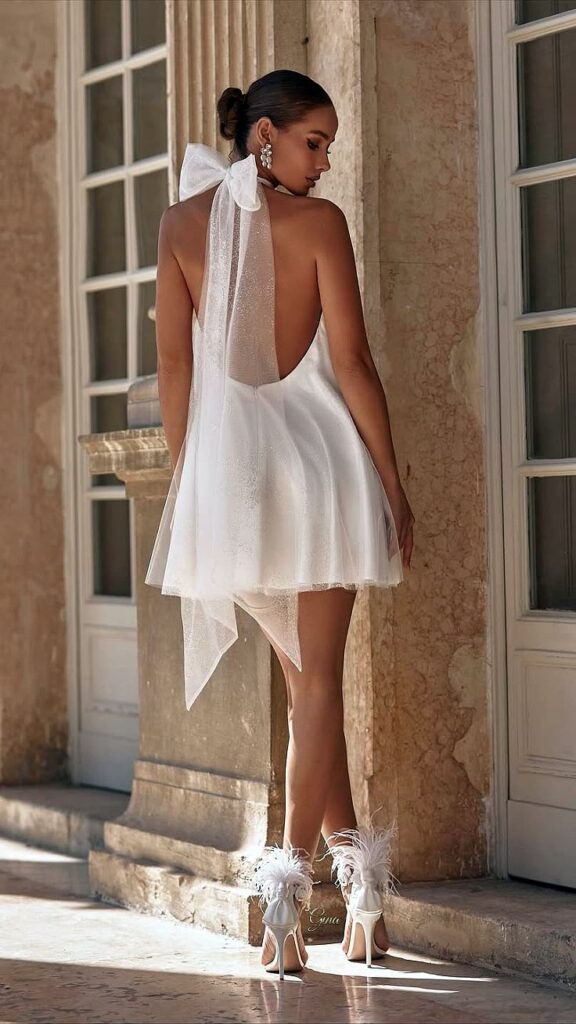
- A chic white midi dress
- A pastel saree change
- A modern jumpsuit
- A relaxed travel outfit for the honeymoon departure
Today, it’s less about tradition and more about aesthetic closure — that final photo, the sparkler send-off, the cinematic exit.
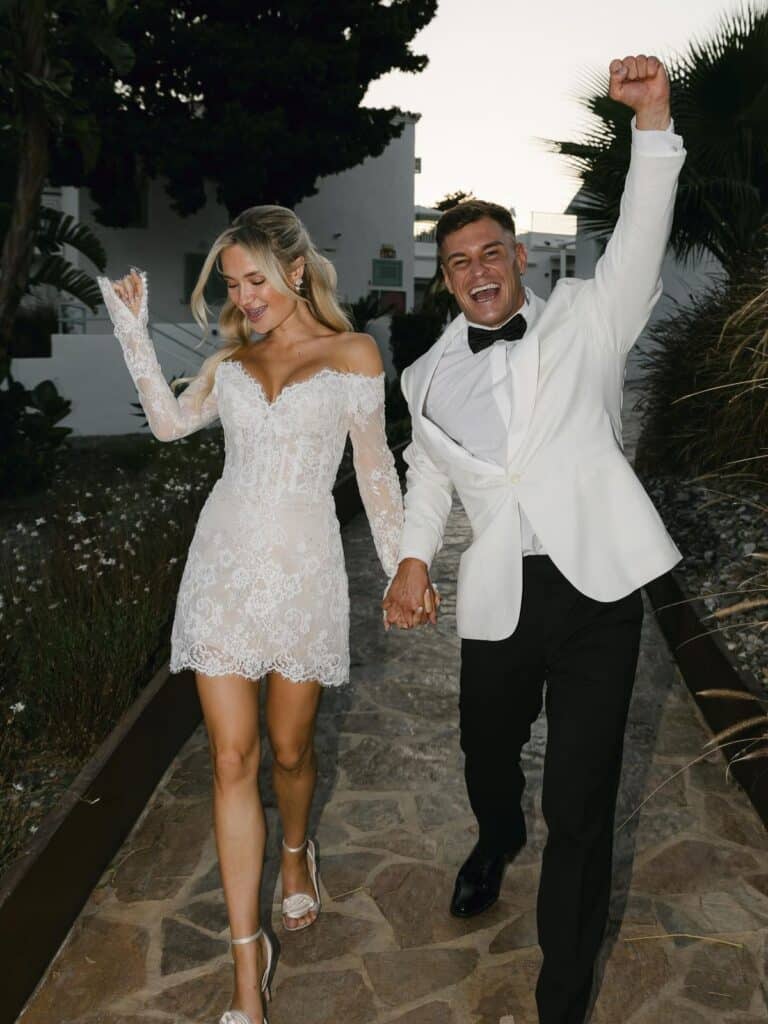
The Cultural Context: Tradition vs Modern Influence
Sri Lankan weddings blend deep-rooted rituals with contemporary influence. Social media, Pinterest boards, and global bridal trends have reshaped expectations.
The going-away dress is largely a Western-inspired addition. It became popular as brides began incorporating:
- Reception outfit changes
- After-parties
- Immediate honeymoon departures
For traditional families, it may feel unnecessary. For modern brides, it feels like a final styling moment.
The key question becomes: Are you doing it because it aligns with your story — or because you saw it trending?
The Financial Reality: Breaking Down the Cost
Let’s be direct. Weddings are expensive.
A going-away dress can cost anywhere from:
- LKR 15,000 – 40,000 for ready-made options
- LKR 50,000 – 150,000+ for designer or custom pieces
Add alterations, shoes, accessories, and styling — and the number climbs.
Now compare that to:
- Additional décor upgrades
- Extended photography coverage
- Extra guest capacity
- Honeymoon experiences
The opportunity cost matters. Every rupee allocated to an outfit worn for under an hour is money not spent elsewhere.
For budget-conscious brides, this becomes a strategic decision rather than an emotional one.
When It Makes Practical Sense
There are scenarios where a going-away dress is not indulgent — but practical.
1. Heavy Bridal Attire
If you’re wearing a heavily embellished Kandyan saree or lehenga, comfort becomes an issue. Changing into something lighter for departure can be physically relieving.
2. Immediate Travel Plans
If you’re heading straight to the airport, you may not want to travel in a full bridal ensemble.
3. Multiple Event Structure
For weddings with ceremony, reception, and after-party, a lighter exit outfit can transition the energy.
In these cases, it’s less about aesthetics and more about comfort and logistics.

When It’s Purely Aesthetic
Let’s be honest — most going-away dresses are about photos.
The sparkler tunnel.
The confetti toss.
The final “just married” car shot.
It creates a visual ending. And in an era where wedding albums double as digital storytelling assets, that matters.
But aesthetics must be weighed against priorities. If you’re already investing in a second reception outfit, is a third look necessary?
The Psychological Factor: The Feeling of Closure
There’s also an emotional layer.
Some brides describe the going-away dress as symbolic — a moment to exhale, step out of the ceremonial weight, and step into married life.
It marks the shift from bride to wife. From performance to partnership.
If that symbolism resonates deeply with you, it may justify the cost.
If it doesn’t, you may never think about it again after the wedding day.
Smart Alternatives to Buying a New Dress
If you love the idea but not the price tag, there are strategic options:
Repurpose a Reception Look
Choose a lighter reception dress that doubles as your exit outfit.
Rent Instead of Buy
Bridal rentals are increasingly sophisticated and cost-effective.
Rewear Something Meaningful
A white saree gifted by your mother. A chic outfit you already own.
Minimalist Approach
Swap heavy jewellery and change into comfortable shoes while keeping your main dress.
Remember — elegance isn’t about quantity. It’s about intention.
What Wedding Planners Recommend
Most professional planners prioritise:
- Ceremony impact
- Guest experience
- Photography coverage
- Time management
A going-away dress rarely sits at the top of that list unless the bride strongly values it.
From a production standpoint, it adds:
- Extra changing time
- Styling coordination
- Schedule adjustments
If your timeline is already tight, this may complicate flow.
Social Media Pressure vs Personal Preference
Instagram weddings have subtly reshaped expectations. Multiple outfit changes are presented as standard.
But curated feeds don’t show budget constraints, exhaustion, or post-wedding regret over overspending.
Ask yourself:
- Will this genuinely add to my joy?
- Or am I trying to match a visual standard?
Your wedding should reflect your values — not algorithms.
Budget Prioritisation Framework
If you’re unsure, try this quick evaluation:
Step 1: Rank your top five wedding priorities.
Step 2: Allocate budget percentages accordingly.
Step 3: See where a going-away dress fits realistically.
If it displaces something more meaningful — reconsider.
If it fits comfortably — enjoy it without guilt.
Financial clarity removes emotional confusion.
The Modern Bride’s Perspective
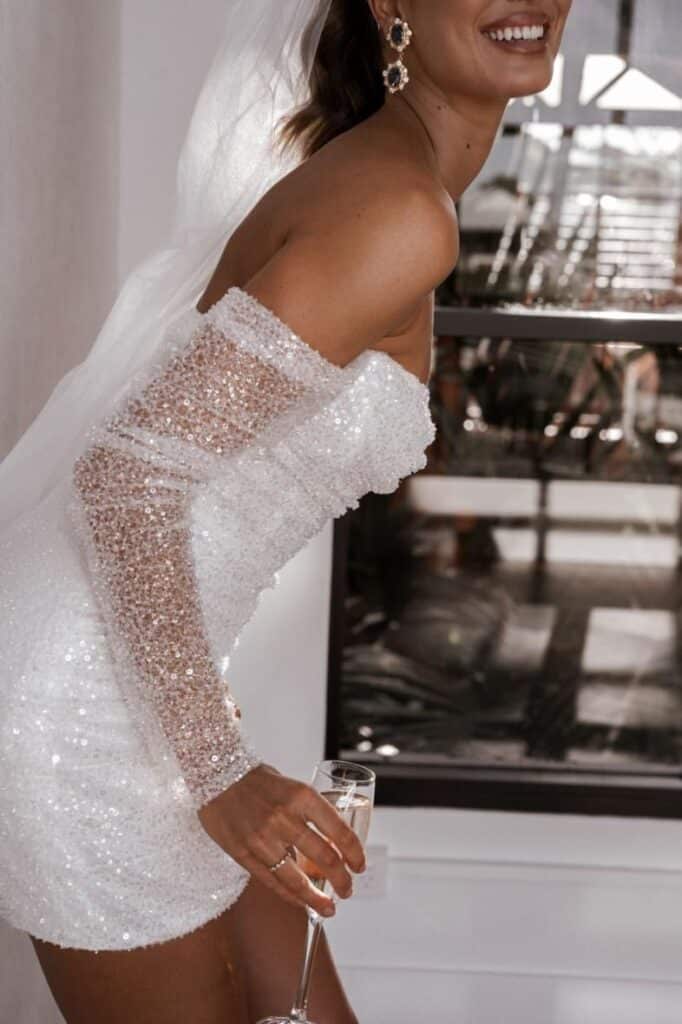
Today’s Sri Lankan bride is strategic. She’s balancing tradition, aesthetics, and financial independence.
Some will choose:
- Ceremony saree + reception gown + going-away dress
Others will choose: - Ceremony saree + comfortable exit in the same outfit
Neither is wrong.
The shift we’re seeing is intentional spending rather than automatic spending.
So, Is It a Must-Have?
No.
A going-away dress is not essential to the cultural or legal structure of your wedding. It is an optional styling choice.
But here’s the nuanced truth:
It becomes worth it if it enhances comfort, symbolism, or personal satisfaction without straining your budget.
It becomes unnecessary if it exists purely to meet an external expectation.
Weddings Are About Meaning, Not Multiplicity
Your wedding day will be remembered for:
- The vows
- The emotions
- The people
- The atmosphere
Not the number of outfits you wore.
If a going-away dress makes you feel beautiful, light, and excited — embrace it.
If it feels like another invoice — release it.
Intentional brides build weddings that reflect their values, not trends. And that, more than any outfit change, is what makes a celebration timeless.