
Your wedding shoes may not always be the first thing people notice, but they are one of the most important decisions you will make for your big day. The right pair of wedding shoes supports you through hours of standing, walking, dancing, and celebrating — while still complementing your bridal look beautifully.
Many brides choose their shoes as an afterthought, only to realise too late that discomfort, poor fit, or impractical design can affect their confidence and enjoyment. Choosing wedding shoes is not just about beauty; it is about balance — between style, comfort, venue, outfit, and personal taste.
This guide walks you through everything you need to consider when choosing your wedding shoes, helping you make a confident and informed decision.
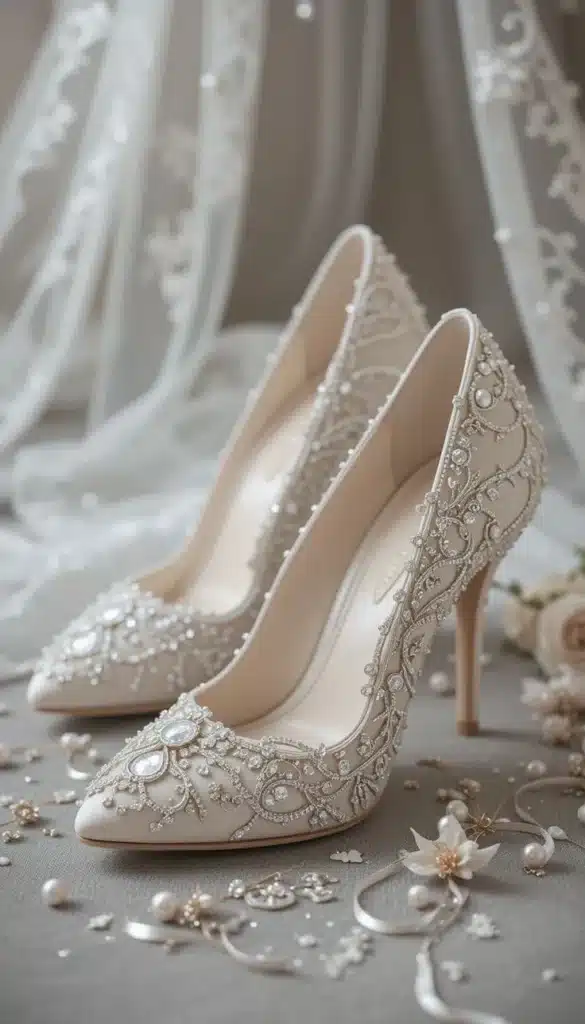
Why Wedding Shoes Matter More Than You Think
Wedding shoes are not just an accessory. They influence:
- Your posture and walk
- Your comfort throughout the day
- How your dress falls and flows
- Your confidence in photos and in movement
- Your overall wedding experience
A bride who is constantly adjusting her shoes, dealing with pain, or worrying about slipping will find it harder to stay present in the moment. Comfortable, well-chosen shoes allow you to focus on what truly matters — celebrating love.
Start With Your Wedding Outfit
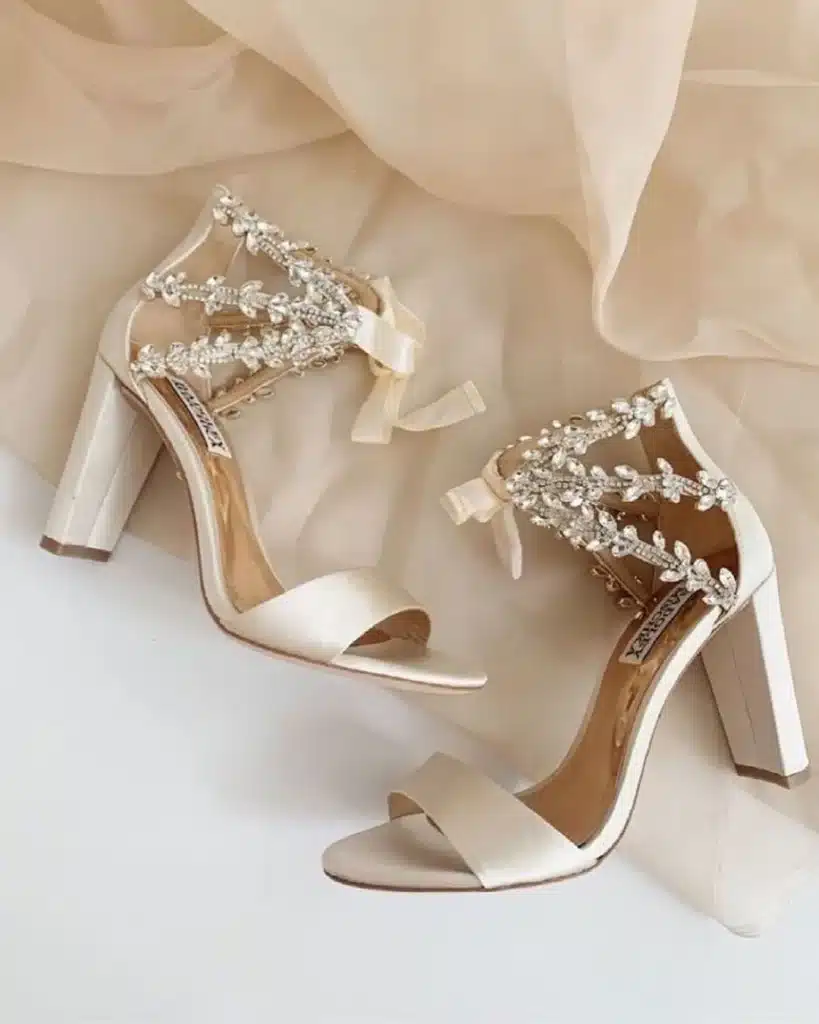
Your wedding shoes should complement your outfit, not compete with it.
If you are wearing a traditional saree or lehenga, your shoes may only peek through occasionally. In such cases, comfort and stability often matter more than visible design. If you are wearing a gown, tea-length dress, or short reception outfit, your shoes will be more visible and become part of the overall look.
Consider:
- The colour of your outfit
- The fabric (lace, silk, satin, organza)
- Embellishments such as beadwork or embroidery
- The length and structure of the outfit
Shoes should feel like a natural extension of the bridal look rather than an unrelated accessory.
Choose the Right Heel Height for You
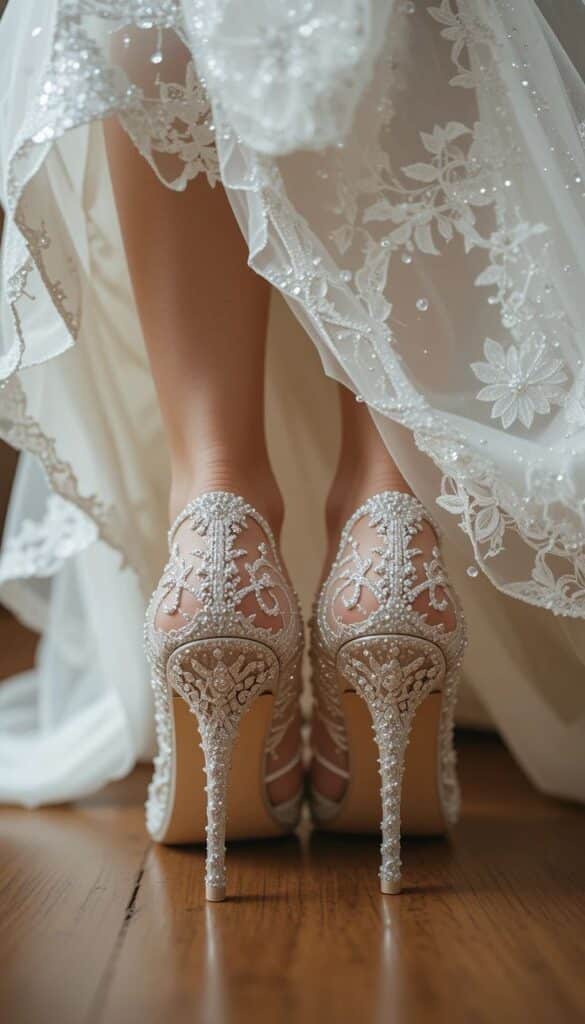
Heel height is one of the most important decisions when selecting wedding shoes.
Many brides feel pressured to wear high heels, but height does not equal elegance. The best heel height is one that allows you to walk comfortably and confidently.
Common options include:
- Flat shoes – Ideal for outdoor weddings, beach ceremonies, or brides who prioritise comfort
- Low heels – A good balance between elegance and stability
- Mid heels – Popular for long ceremonies and receptions
- High heels – Best for brides experienced in wearing heels regularly
If you rarely wear heels, your wedding day is not the time to experiment with very high ones. Comfort translates directly into confidence.
Match Your Shoes to the Venue
Your venue should heavily influence your shoe choice.
For indoor hotel weddings, most heel types are manageable. For outdoor venues, gardens, beaches, or heritage locations, practicality becomes essential.
Consider the surface:
- Grass can cause heels to sink
- Sand makes stilettos impractical
- Uneven stone or tiles require stability
- Polished floors may be slippery
Block heels, wedges, or flats are often better choices for outdoor weddings. Always think about how easily you can walk, turn, and stand for extended periods.
Prioritise Comfort Without Sacrificing Style
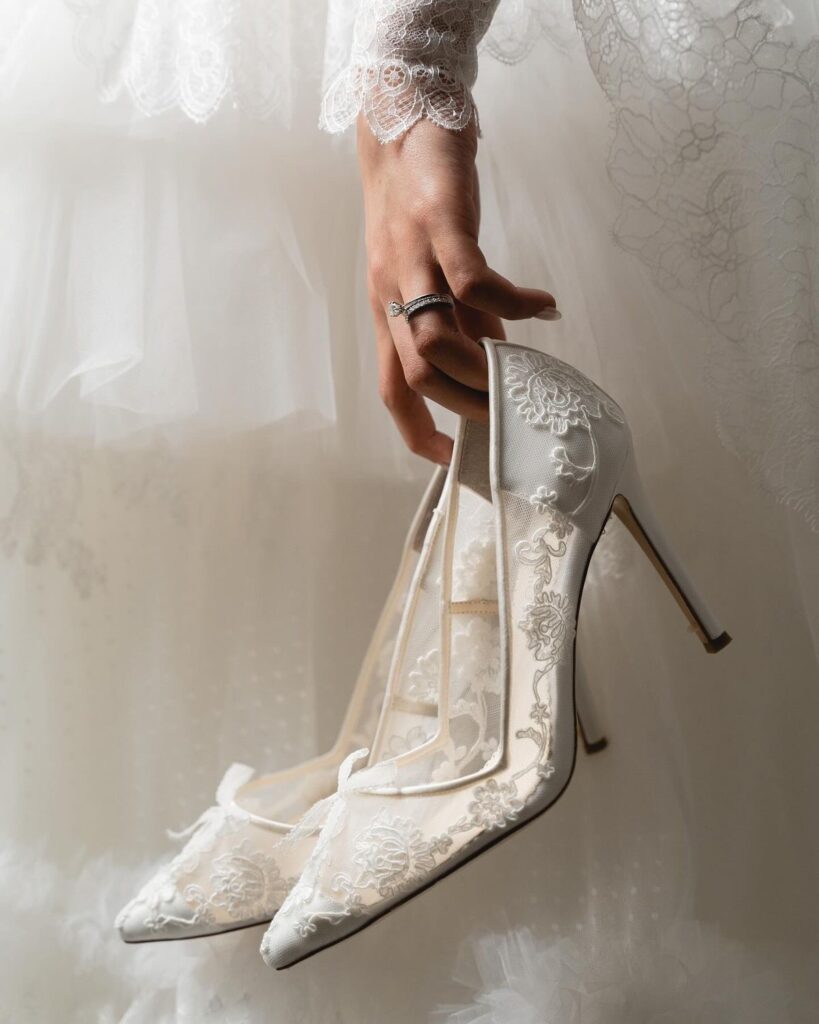
Comfort does not mean compromising on beauty.
Modern bridal shoes are designed with padded soles, supportive arches, and breathable materials. When trying shoes, pay attention to:
- Cushioning under the ball of the foot
- Support around the arch
- Soft lining to prevent blisters
- Secure straps or fastening
Avoid shoes that pinch, rub, or feel stiff. If they are uncomfortable during a short trial, they will feel far worse after several hours.
Choose the Right Material
Material affects both comfort and durability.
Popular bridal shoe materials include:
- Satin for a classic bridal look
- Leather for breathability and long-term comfort
- Lace for a romantic aesthetic
- Embellished fabrics for statement shoes
Soft, flexible materials mould to your feet better over time. Stiff materials may look elegant but can cause discomfort if worn for long periods.
Consider Colour Carefully
White is traditional, but it is not the only option.
Bridal shoes now come in shades such as ivory, champagne, nude, silver, gold, blush, and even pastel tones. The right colour depends on your outfit and personal style.
Neutral tones are versatile and easier to re-wear after the wedding. Metallic shades add elegance and pair well with jewellery. Nude shades elongate the leg and suit many outfits.
If your dress is not pure white, avoid stark white shoes that may clash.
Think About Re-Wearing After the Wedding
Many brides now choose shoes they can wear again.
Ask yourself:
- Can I wear these shoes for another event?
- Do they match other outfits in my wardrobe?
- Are they versatile enough for formal occasions?
Choosing re-wearable shoes adds long-term value and makes the purchase feel more meaningful.
Break In Your Shoes Before the Big Day
Never wear brand-new shoes for the first time on your wedding day.
Once you have chosen your shoes, wear them around the house for short periods. This helps soften the material and allows your feet to adjust.
Some brides also wear their shoes during dress fittings to ensure the hem length is perfect.
Breaking in your shoes reduces the risk of blisters, discomfort, and surprises on the day.
Plan a Second Pair for the Reception
Many brides choose to change shoes during the reception.
This is especially helpful if:
- Your ceremony shoes are high heels
- You plan to dance extensively
- Your reception outfit is different
A second pair of flats or low heels allows you to enjoy the evening without pain. This does not take away from the bridal look — it enhances your ability to enjoy the celebration fully.
Balance Trends With Timelessness
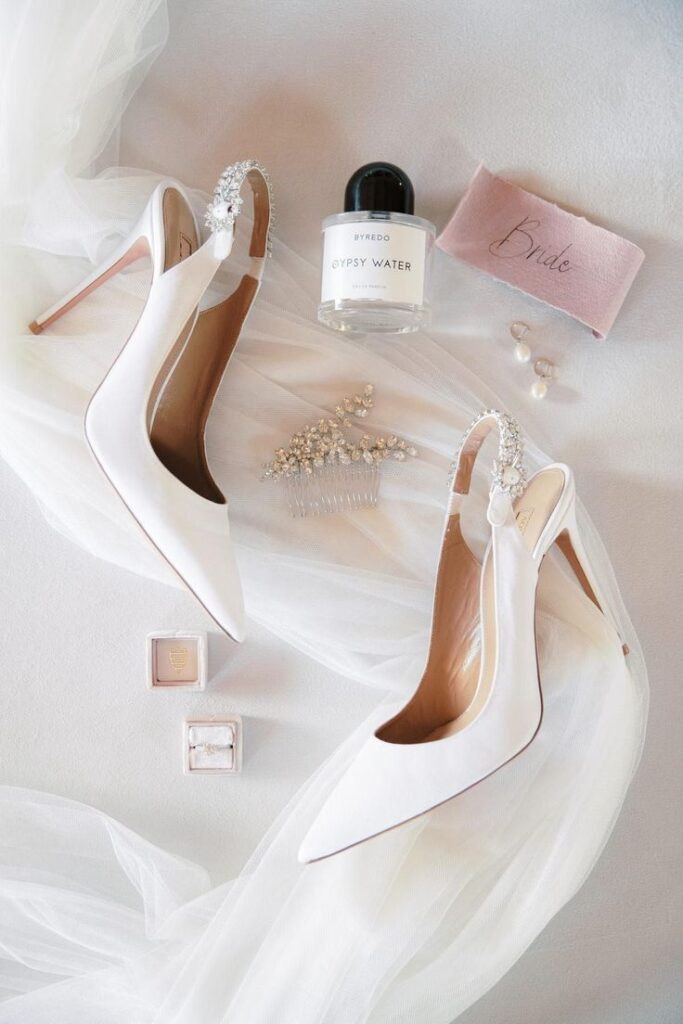
Trends change, but wedding photos last forever.
While it is fine to embrace current styles, avoid shoes that feel overly trendy or disconnected from your personal style. Classic silhouettes with subtle details tend to age better in photographs.
Choose shoes that reflect who you are, not just what is popular at the moment.
Budget Smartly
Wedding shoes come in a wide range of prices.
Set a realistic budget and focus on value rather than just brand name. Well-made shoes with good support are worth the investment.
Remember that discomfort cannot be fixed on the wedding day, but budget overspending can often be avoided with thoughtful planning.
Trust Your Own Comfort and Confidence
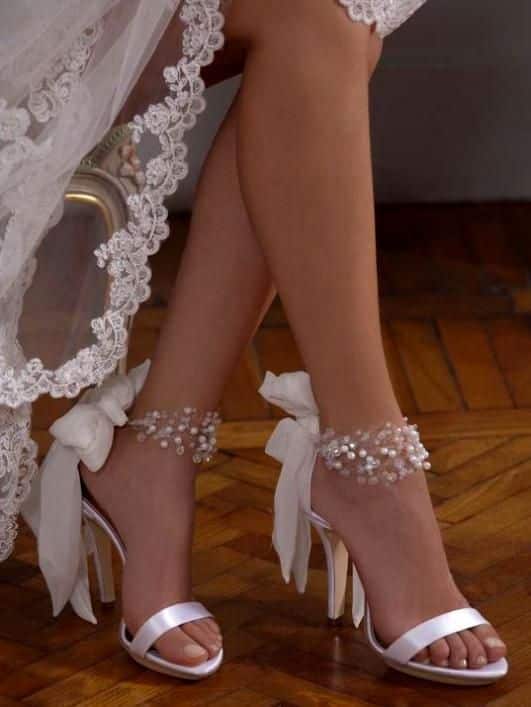
The most important rule in choosing wedding shoes is simple: they should feel right to you.
If a pair makes you feel confident, comfortable, and supported, it is the right choice — regardless of trends or opinions. Your wedding day is about celebrating love, not enduring discomfort.
When you can walk, stand, and dance freely, your confidence naturally shines through.
Choosing wedding shoes is a deeply personal decision that blends style, comfort, and practicality. The perfect pair supports you physically and emotionally on one of the most meaningful days of your life.
Take your time, try multiple options, consider your venue and outfit carefully, and always prioritise comfort. When chosen thoughtfully, your wedding shoes become more than an accessory — they become a quiet foundation that carries you through every precious moment.