
A wedding invitation is far more than a piece of printed card. It is the first tangible expression of your wedding, the moment your guests step into your celebration long before the day itself. From colour palettes and typography to wording etiquette and timelines, wedding invitations quietly communicate the tone, formality, and personality of your ceremony.
In Sri Lanka and across the world, couples are becoming increasingly intentional about invitation design—blending tradition with modern aesthetics, and personal storytelling with timeless elegance. This guide breaks down everything you need to know about wedding invitations, helping you make confident, informed decisions from concept to delivery.
Why Wedding Invitations Matter More Than You Think
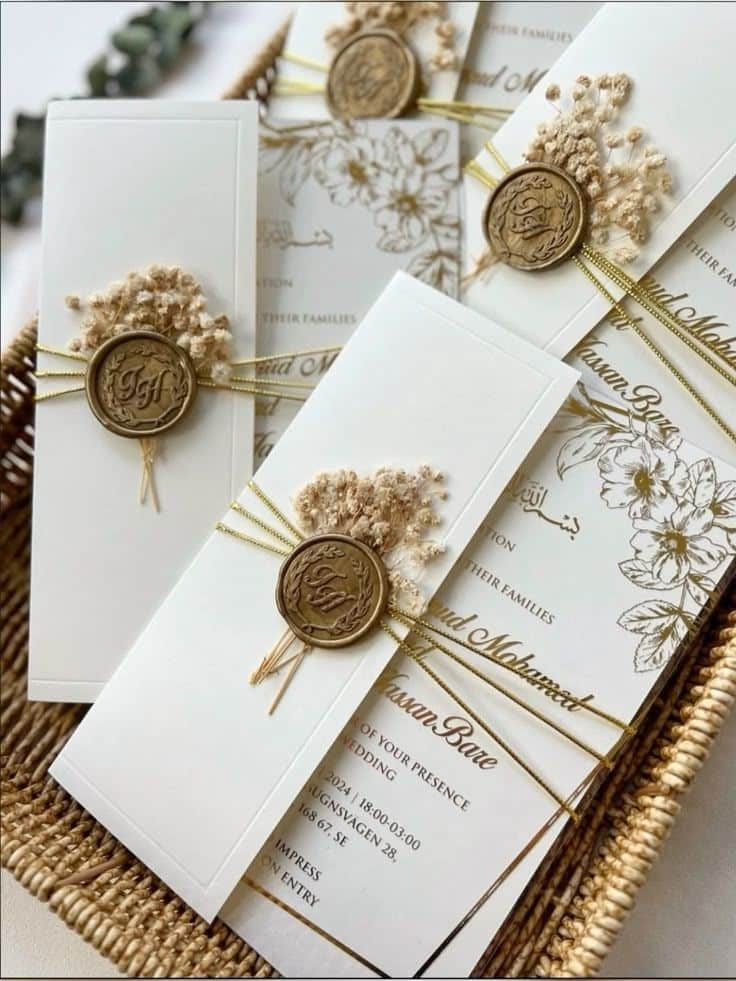
Your invitation sets expectations. A guest can usually tell within seconds whether your wedding will be:
- Formal or relaxed
- Traditional or contemporary
- Intimate or grand
- Minimalist or richly detailed
Before they know the menu, the venue, or even the dress code, they know how your wedding feels.
A carefully designed invitation also shows respect for your guests. It signals that thought, care, and intention have gone into planning—and that their presence matters.
Understanding the Core Elements of a Wedding Invitation
A complete wedding invitation suite can be simple or elaborate, but most include a few essential components.
The Main Invitation Card
This is the focal piece. It includes:
- Names of the couple
- Date and time
- Venue details
- Hosting information (if applicable)
The design style here sets the visual language for the entire suite.
RSVP Card
Traditionally included as a separate card, this allows guests to confirm attendance. Many couples now include:
- A physical RSVP card
- A QR code or website link for digital responses
Details or Information Card
This card covers additional logistics such as:
- Dress code
- Directions or parking
- Accommodation suggestions
- Wedding website
Keeping this information off the main invitation helps maintain a clean, elegant design.
Envelope Design
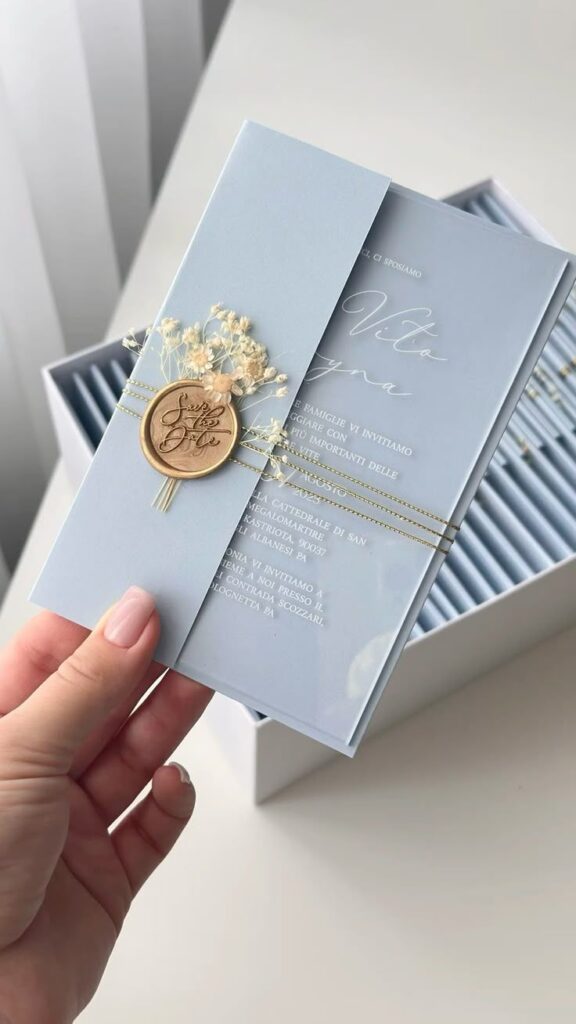
Often overlooked, envelopes are the first thing guests see. Choices such as calligraphy, printed liners, wax seals, or textured paper can elevate the entire experience.
Choosing the Right Style for Your Wedding
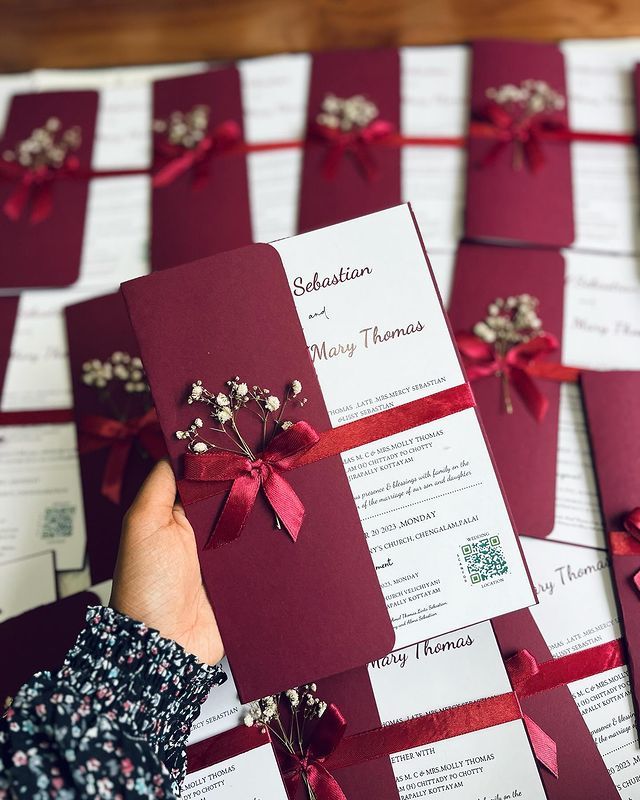
There is no universally “correct” invitation style—only what aligns with your wedding vision.
Traditional Invitations
Typically feature:
- Formal wording
- Script or serif fonts
- Neutral or ivory colour palettes
- Symmetrical layouts
These are ideal for temple ceremonies, church weddings, or classic ballroom receptions.
Modern and Minimalist Invitations
Defined by:
- Clean typography
- White space
- Muted or monochrome tones
- Simple layouts
Perfect for city weddings, destination ceremonies, or couples who prefer understated elegance.
Cultural and Heritage-Inspired Invitations
In Sri Lanka, many couples incorporate:
- Kandyan motifs
- Temple architecture illustrations
- Traditional symbols
- Bilingual or trilingual text
This approach honours heritage while allowing space for contemporary design sensibilities.
Luxury and Editorial Styles
Often include:
- Custom illustrations
- Foil stamping or embossing
- Handmade paper
- Layered card stocks
These invitations feel collectible—almost like keepsakes.
Typography: The Silent Storyteller
Fonts do more than display information—they express emotion.
- Script fonts suggest romance and tradition
- Serif fonts feel classic and formal
- Sans-serif fonts communicate modernity and clarity
Most well-designed invitations combine two fonts: one decorative and one highly readable. Balance is key. Overusing decorative fonts can reduce legibility and visual harmony.
Colour Palettes and Paper Choices
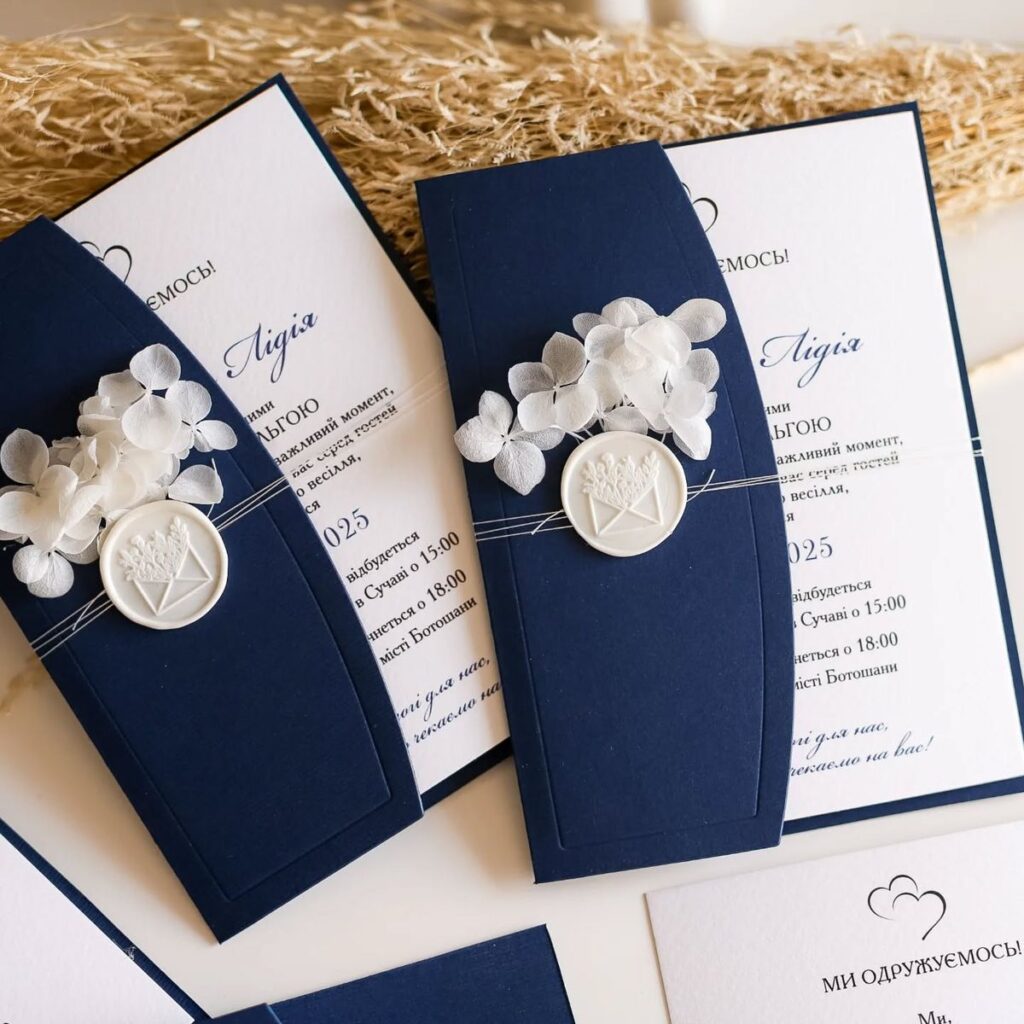
Colour Selection
Your invitation colours often reflect:
- The wedding theme
- Seasonal influences
- Cultural preferences
Soft neutrals, blush tones, sage green, and muted blues are popular for timeless designs, while deep jewel tones or gold accents create drama and richness.
Paper Matters
Paper quality dramatically affects how an invitation feels in hand. Common options include:
- Smooth cardstock
- Textured or cotton paper
- Handmade or deckled-edge paper
- Acrylic or vellum overlays
Guests may not know paper terminology—but they feel quality instantly.
Wording: Getting the Tone Just Right
Wedding invitation wording follows etiquette, but modern couples have flexibility.
Formal Wording
Used for traditional or religious weddings. Language is structured, polite, and ceremonial.
Contemporary Wording
More conversational and relaxed, often used for modern weddings or receptions-only invitations.
Hosting Etiquette
If parents are hosting, their names traditionally appear first. For couples hosting themselves, the invitation can begin directly with the couple’s names.
Clarity is essential. No matter how poetic the wording, guests should never be confused about:
- Where to go
- When to arrive
- What they are attending
Digital vs Printed Invitations: Finding the Balance
While digital invitations are increasingly popular for pre-events or informal celebrations, printed invitations remain the standard for weddings—especially ceremonial ones.
Printed Invitations
Pros:
- Tangible and memorable
- Suitable for formal occasions
- Can be kept as keepsakes
Digital Invitations
Pros:
- Cost-effective
- Environmentally friendly
- Easy to update
Many couples now use a hybrid approach: printed invitations paired with a wedding website or digital RSVP system.
When to Send Wedding Invitations
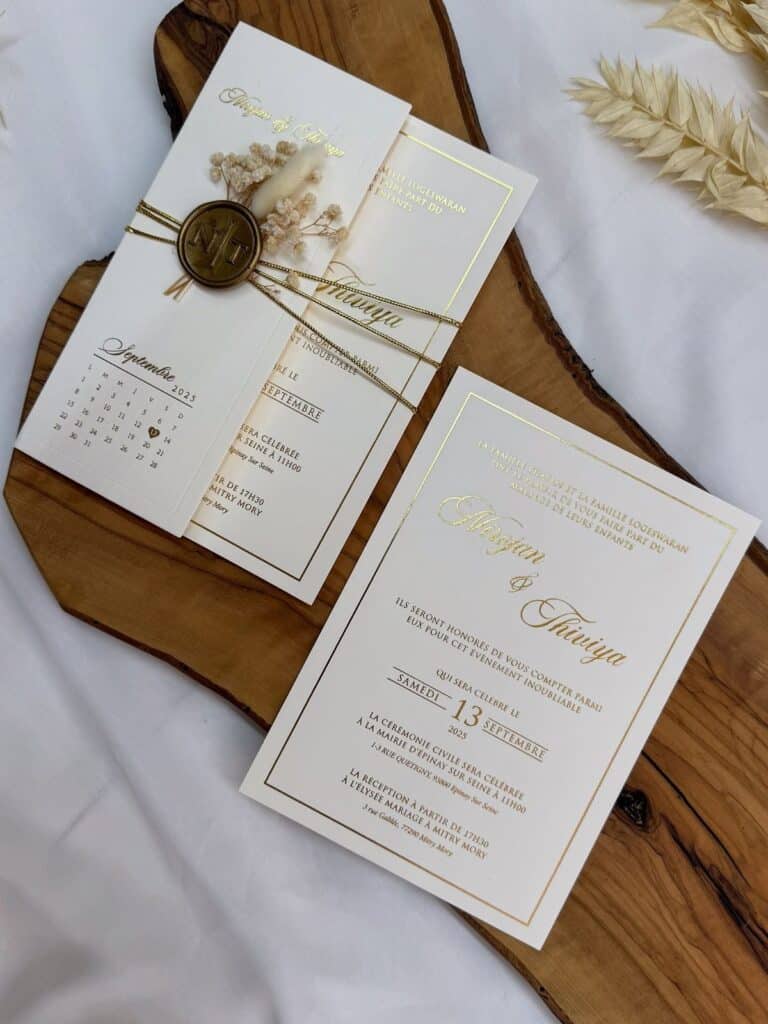
Timing is critical.
- Save-the-dates: 6–8 months before (earlier for destination weddings)
- Invitations: 6–8 weeks before the wedding
- RSVP deadline: 2–3 weeks before the event
Sending invitations too early can result in forgotten details; too late can affect attendance and planning.
Common Mistakes to Avoid
Even beautifully designed invitations can fall short if practical details are overlooked.
- Overcrowding the design with too much text
- Using fonts that are difficult to read
- Forgetting essential information
- Ordering too few extras (always add at least 10–15%)
- Not proofreading names, dates, and venues carefully
One spelling error can undermine an otherwise flawless invitation suite.
Personalisation: Making Invitations Truly Yours
Modern couples increasingly seek invitations that tell a story. Personal touches may include:
- Custom illustrations of the venue
- A meaningful quote or verse
- Cultural symbols
- Monograms or crests
These elements transform an invitation from generic to deeply personal.
Budgeting for Wedding Invitations
Invitation costs vary widely depending on:
- Quantity
- Paper quality
- Printing techniques
- Finishing details
A practical approach is to allocate a realistic budget early and prioritise what matters most—whether that’s paper quality, design customisation, or premium finishes.
Your Wedding Begins with the Invitation
A wedding invitation is not just an announcement—it is an introduction. It introduces your story, your values, and your vision to the people you love most.
When chosen thoughtfully, it builds anticipation, conveys respect, and becomes a lasting reminder of one of the most meaningful days of your life. Whether you lean towards classic elegance or modern simplicity, the best wedding invitation is one that feels authentically you.