
Planning a wedding is exciting, emotional, and memorable. It is also one of the biggest projects many couples will ever manage together. Between choosing a venue, setting a budget, booking vendors, coordinating family expectations, and making countless decisions, it is easy to feel stressed before the celebration even begins.
The good news is that wedding planning does not have to be overwhelming. With the right approach, clear priorities, and realistic expectations, you can enjoy the process instead of constantly feeling pressured by it.
Learning how to plan a wedding without feeling overwhelmed is not about eliminating every challenge. It is about creating a system that helps you stay organised, protect your peace, and focus on what truly matters.
If you are feeling buried under wedding decisions, this guide will show you exactly how to plan a wedding without feeling overwhelmed from start to finish.
Read more on BrideSriLanka.com 👇🏼
Start With Your Vision Before Your Checklist
Many couples immediately jump into vendor research, venue visits, and social media inspiration without first deciding what kind of wedding they actually want.
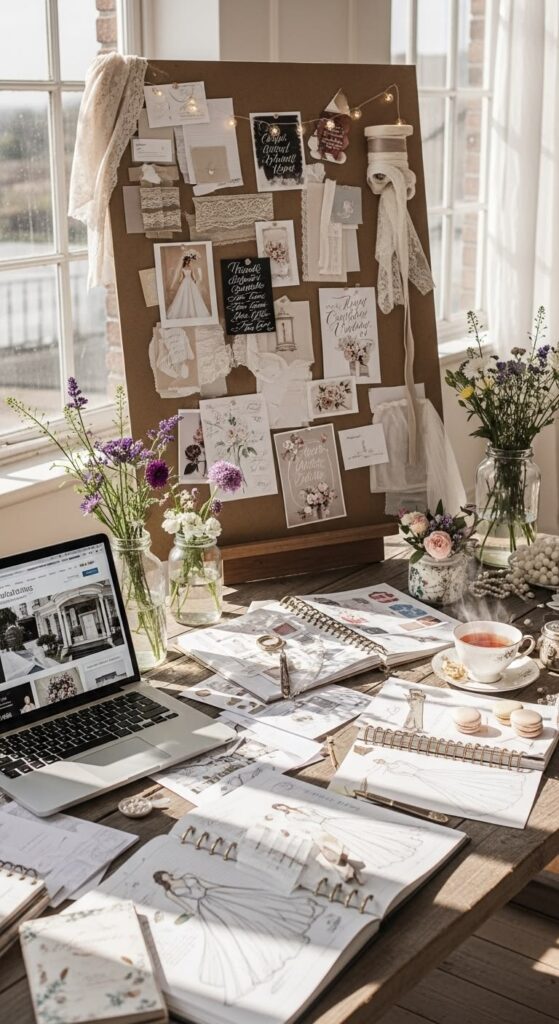
One of the most important lessons in how to plan a wedding without feeling overwhelmed is creating a clear vision before making decisions.
Ask yourselves:
- Do we want a large wedding or a smaller celebration?
- Do we prefer formal or relaxed?
- What atmosphere do we want guests to experience?
- What are our top priorities?
When your vision is clear, every decision becomes easier because you have a framework for choosing what fits and what does not.
Set a Realistic Budget Early
Financial uncertainty creates enormous wedding stress.
A key step in how to plan a wedding without feeling overwhelmed is establishing a realistic budget before booking anything.
Determine:
- Total budget
- Family contributions
- Personal contributions
- Priority spending categories
- Emergency buffer fund
A clear budget helps eliminate guesswork and prevents disappointment later.
Remember that every wedding is different. Your budget should support your goals rather than someone else’s expectations.
Break Wedding Planning Into Smaller Stages
One reason wedding planning feels overwhelming is because people try to think about everything at once.
An effective strategy for how to plan a wedding without feeling overwhelmed is dividing planning into smaller phases.
Focus on:
- Budget
- Guest list
- Venue
- Vendors
- Attire
- Invitations
- Timeline
- Final details
You do not need to solve every wedding problem in one weekend.
Small progress made consistently is far more effective than trying to complete everything immediately.
Prioritise Your Top Three Wedding Elements
Not every wedding detail carries equal importance.
One of the smartest approaches to how to plan a wedding without feeling overwhelmed is identifying your top three priorities.
Examples might include:
- Photography
- Venue
- Food
- Entertainment
- Décor
- Guest experience
Once these priorities are identified, you can allocate more attention and budget toward them while being more flexible with lower-priority details.
This reduces decision fatigue significantly.
Stop Comparing Your Wedding to Others
Social media can be both inspiring and exhausting.
A common obstacle to how to plan a wedding without feeling overwhelmed is constantly comparing your wedding to weddings seen online.
Instagram, Pinterest, TikTok, and wedding blogs often showcase highly curated moments rather than reality.
Remember:
- Every budget is different.
- Every couple is different.
- Every venue is different.
- Every family situation is different.
Your wedding does not need to look like someone else’s to be beautiful.
Comparison often creates pressure where none previously existed.
Create a Wedding Planning Timeline
A timeline provides structure and reduces panic.
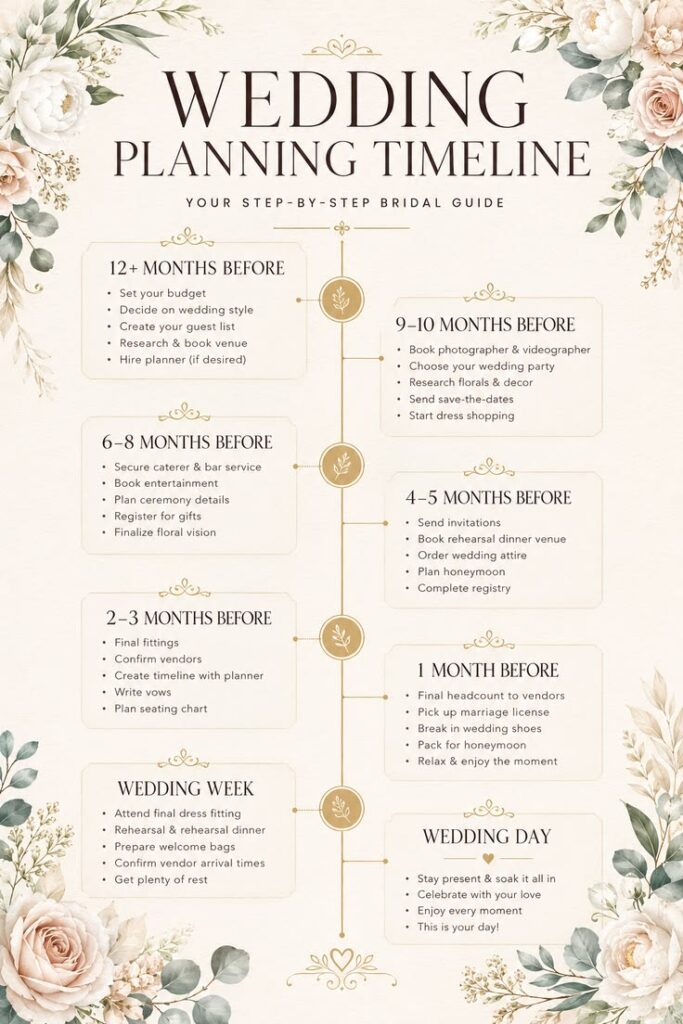
An essential part of how to plan a wedding without feeling overwhelmed is knowing when things need to happen.
For example:
12 months before:
- Budget
- Venue
- Guest list estimate
9 months before:
- Photographer
- Videographer
- Entertainment
6 months before:
- Attire
- Invitations
- Accommodation
3 months before:
- Final vendor confirmations
- Seating plans
- Beauty trials
Breaking tasks into manageable deadlines prevents last-minute stress.
Delegate Responsibilities
You do not need to do everything yourself.
One of the biggest mistakes couples make when learning how to plan a wedding without feeling overwhelmed is trying to personally manage every detail.
Consider delegating:
- Family coordination
- Vendor communication
- Guest questions
- Transportation
- RSVP tracking
Trusted friends, siblings, parents, planners, or bridal party members can provide valuable support.
Delegation allows you to focus on decisions rather than logistics.
Learn to Make Decisions Efficiently
Wedding planning involves hundreds of decisions.
Flowers.
Menus.
Music.
Invitations.
Lighting.
Favours.
An important skill in how to plan a wedding without feeling overwhelmed is avoiding endless indecision.
Set reasonable deadlines for decisions.
Research options.
Compare choices.
Trust your judgement.
Move forward.
Spending three weeks choosing napkin colours rarely improves the overall wedding experience.
Perfectionism often creates unnecessary stress.
Accept That Not Everyone Will Agree
Family opinions can be one of the most challenging parts of wedding planning.

A major lesson in how to plan a wedding without feeling overwhelmed is understanding that disagreement is normal.
Parents may prefer one venue.
Relatives may want more guests.
Friends may offer conflicting advice.
Listen respectfully, but remember that not every opinion requires action.
Your wedding should reflect your priorities as a couple.
Trying to satisfy every person involved usually leads to frustration.
Schedule Wedding-Free Time
Many couples allow wedding planning to consume every conversation.
A healthy strategy for how to plan a wedding without feeling overwhelmed is intentionally creating wedding-free periods.
Take evenings where wedding discussions are not allowed.
Go on dates.
Watch a film.
Spend time with friends.
Continue hobbies.
Protecting your normal life helps maintain perspective and prevents burnout.
Avoid Making Every Decision Together
While major decisions should be shared, smaller choices do not always require joint approval.
An overlooked aspect of how to plan a wedding without feeling overwhelmed is dividing responsibilities.
For example:
- One partner handles transportation.
- The other manages invitations.
- One oversees entertainment.
- The other coordinates attire.
Shared responsibility reduces pressure and speeds up decision-making.
Keep Your Guest List Under Control
Guest list growth often creates additional stress, expenses, and logistical challenges.
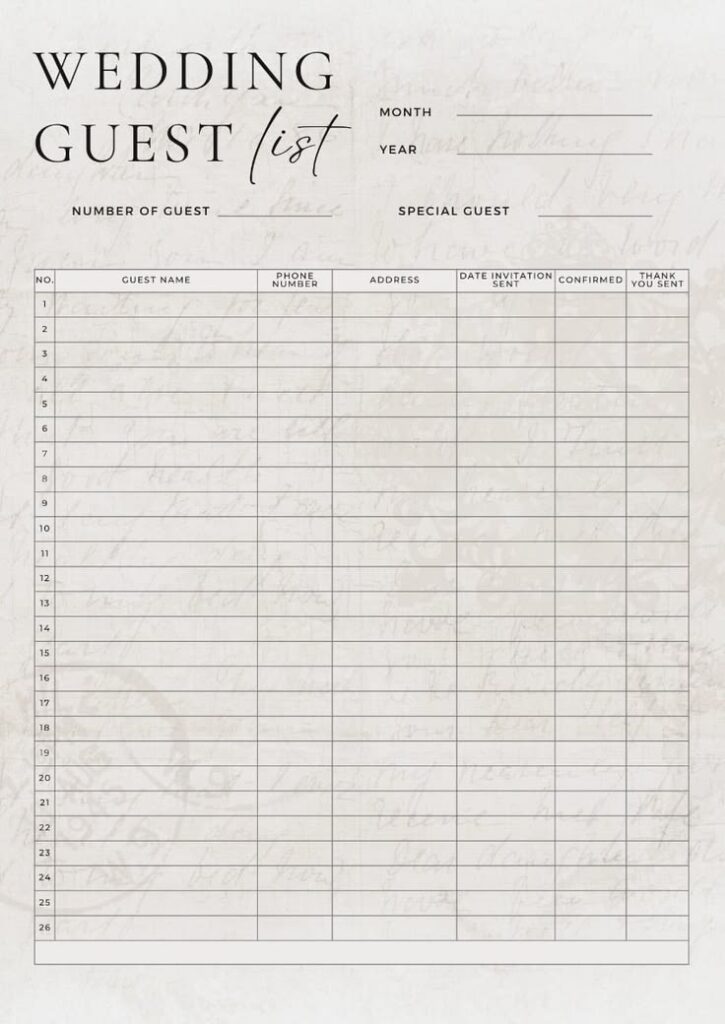
A practical tip for how to plan a wedding without feeling overwhelmed is establishing guest list boundaries early.
Every additional guest affects:
- Budget
- Venue size
- Catering
- Seating
- Coordination
Keeping the guest list intentional often makes the entire wedding easier to manage.
Trust Your Vendors
Many couples become overwhelmed because they continue micromanaging after hiring professionals.
A useful principle in how to plan a wedding without feeling overwhelmed is trusting the vendors you carefully selected.
Photographers know photography.
Florists know flowers.
Planners know logistics.
Caterers know food service.
Communicate clearly, but avoid trying to personally control every operational detail.
The purpose of hiring professionals is to reduce stress, not increase it.
Focus on the Marriage, Not Just the Wedding
Sometimes couples become so focused on wedding planning that they forget why the wedding exists.
One of the most meaningful reminders in how to plan a wedding without feeling overwhelmed is remembering that the wedding is only one day.
The marriage is what truly matters.
Spend time discussing:
- Shared goals
- Future plans
- Financial expectations
- Family values
- Communication
A beautiful wedding is wonderful, but a strong marriage matters far more.
Keeping this perspective often reduces unnecessary pressure.
Let Go of Perfection
Perfection is one of the biggest sources of wedding stress.
An important final lesson in how to plan a wedding without feeling overwhelmed is accepting that something may go differently than expected.
The weather may change.
A flower arrangement may vary slightly.
A guest may arrive late.
A speech may not go exactly as planned.
These small imperfections rarely affect the overall experience.
Guests remember emotion, hospitality, laughter, and love far more than tiny details.
Wedding planning becomes overwhelming when every decision feels urgent, every opinion feels important, and every detail feels critical.
Understanding how to plan a wedding without feeling overwhelmed helps you approach the process with clarity and confidence. Create a vision, establish a budget, prioritise what matters, delegate responsibilities, trust your vendors, and protect your wellbeing throughout the journey.
Most importantly, remember that your wedding is meant to be celebrated—not survived.
Stay organised. Stay flexible. Stay focused on what matters most.
The goal is not perfection.
The goal is joy.
Read more 👇🏼