
Weddings are celebrations of love, commitment, and shared values. In recent years, many couples have begun to reflect more deeply on how their wedding choices impact the environment and the communities around them. One area gaining particular attention is wedding favours.
Traditionally, wedding favours were small tokens meant to thank guests for attending. But too often, they end up forgotten in drawers, left behind on tables, or quietly thrown away. Sustainable wedding favours offer a better alternative: gifts that are meaningful, practical, ethically sourced, and gentle on the planet.
Choosing sustainable wedding favours does not mean compromising on beauty or elegance. In fact, it often leads to more creative, personal, and memorable choices. This article explores what makes a wedding favour sustainable and offers thoughtful ideas that align with modern values while still feeling special.
What Makes a Wedding Favour Sustainable?
Before choosing specific ideas, it helps to understand what “sustainable” really means in the context of wedding favours.
A sustainable wedding favour typically focuses on at least one of the following principles:
- Minimal waste or zero waste
- Reusable, consumable, or biodegradable
- Ethically sourced or locally made
- Environmentally friendly materials and packaging
- Long-term usefulness or emotional value
Sustainability is not about perfection. It is about intention. A favour that is used, appreciated, or consumed fully is far more sustainable than something mass-produced and disposable, even if it is inexpensive.
Edible Wedding Favours: Sustainable and Always Appreciated
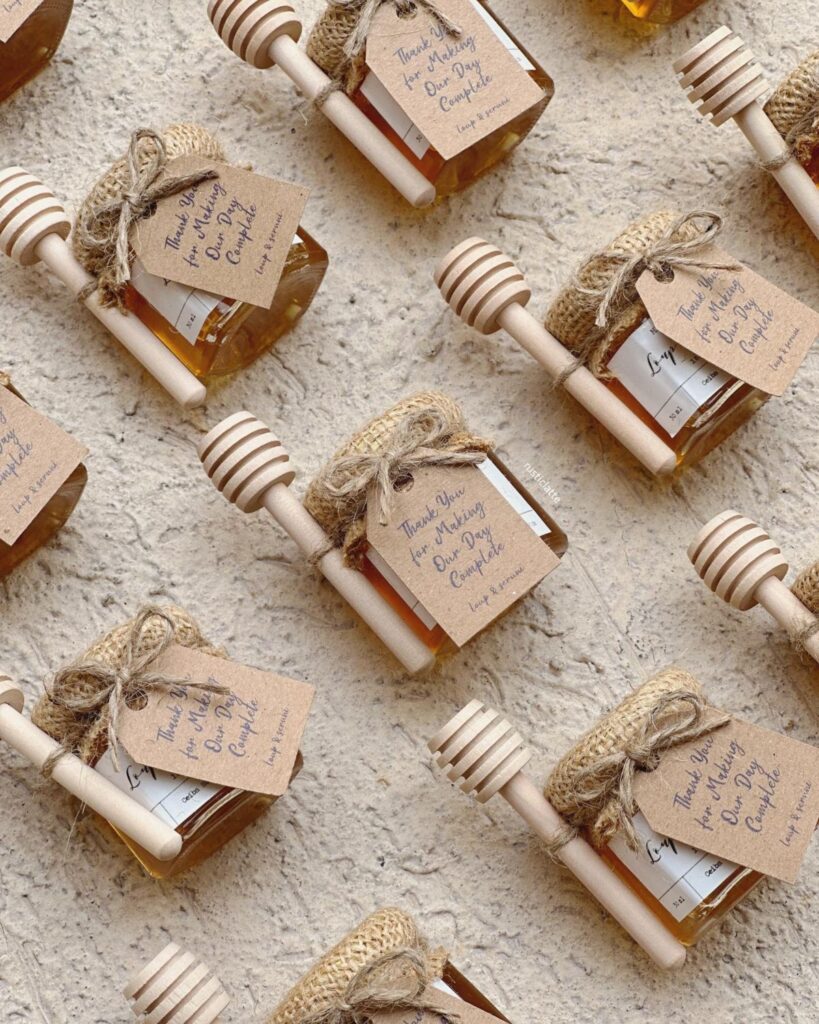
Edible favours are one of the simplest and most effective sustainable options. When guests can eat the gift, there is no long-term waste, and appreciation tends to be high.
Locally sourced honey in small glass jars is a popular choice. Honey has a long shelf life, supports local beekeepers, and can be beautifully presented with minimal packaging. Similarly, handmade jams, preserves, or chutneys made with seasonal fruits are thoughtful and personal.
For couples who enjoy baking or working with local artisans, items such as homemade cookies, traditional sweets, or artisanal chocolates are ideal. Using recyclable paper, cloth wraps, or reusable tins instead of plastic keeps the favour aligned with eco-friendly values.
Tea leaves, coffee beans, or spice blends sourced from ethical producers also make excellent edible favours. They feel indulgent, are easy to customise, and fit seamlessly into guests’ daily routines.
Plant-Based Favours: Gifts That Grow
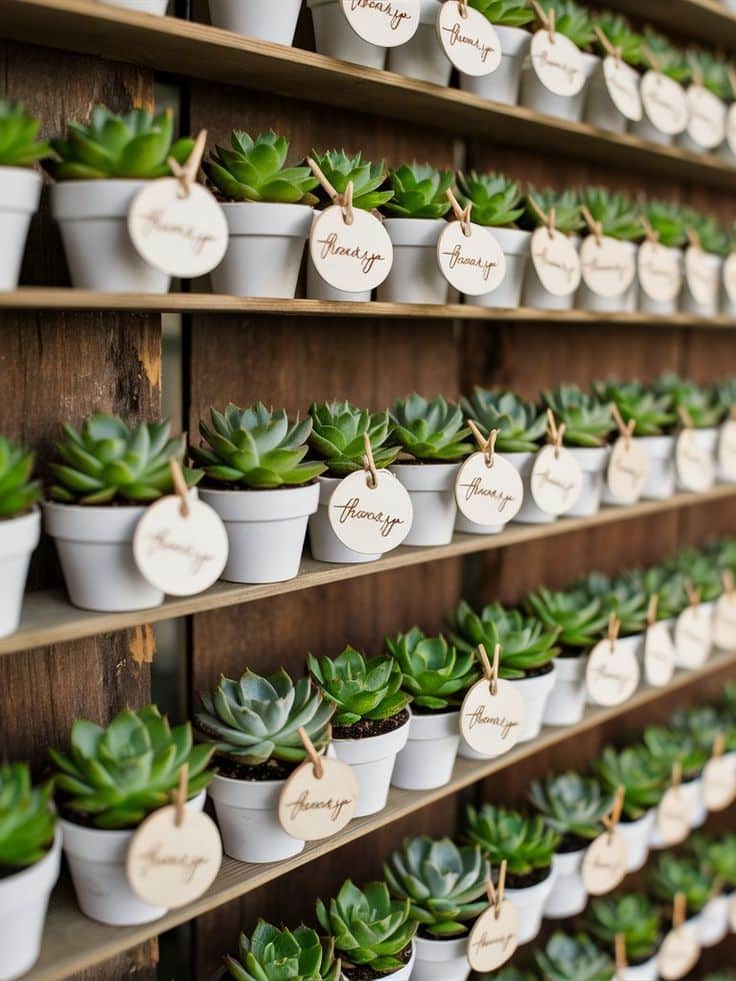
Few wedding favours symbolise sustainability as beautifully as plants or seeds. These favours go beyond the wedding day, continuing to grow long after the celebration ends.
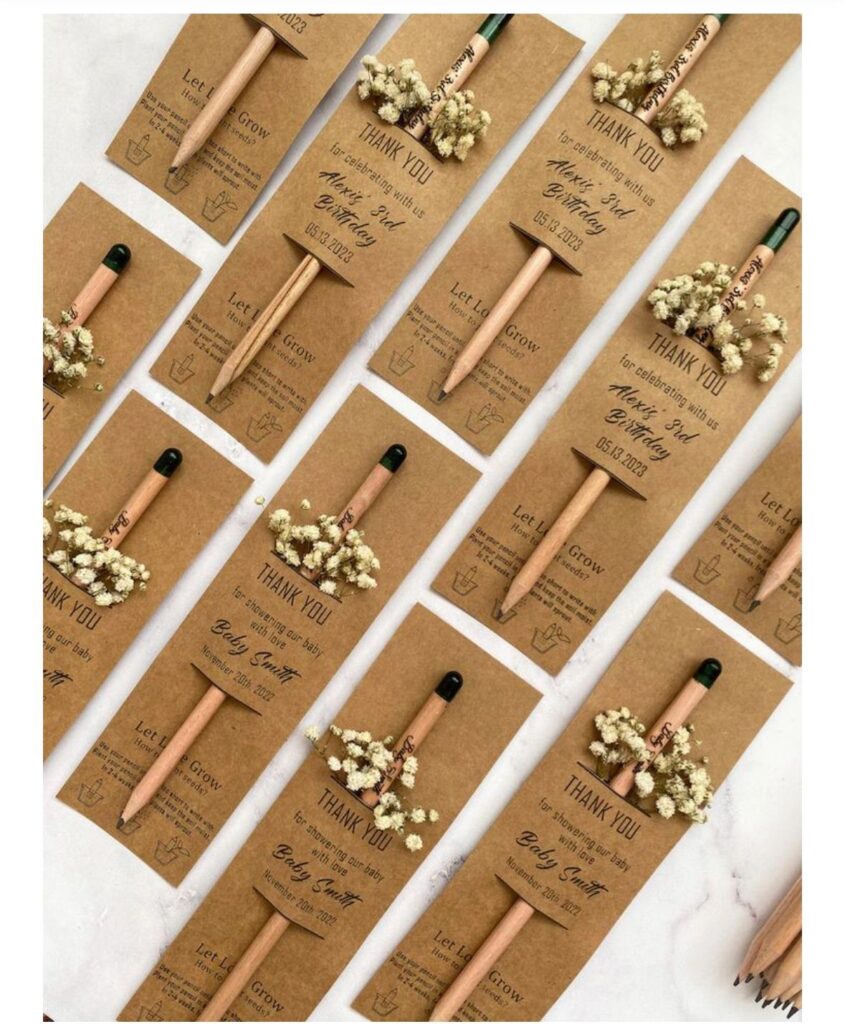
Seed packets are a classic sustainable choice. Whether they contain wildflowers, herbs, or vegetables, they encourage guests to plant something in memory of the wedding. For a more refined look, seeds can be placed in handmade envelopes, small glass vials, or recycled paper packets with planting instructions.
Small potted plants or succulents are another popular option. They are visually appealing, long-lasting, and suitable for a wide range of guests. Choosing native or easy-to-care-for plants increases the likelihood that guests will keep them alive rather than discard them.
Some couples opt for plantable paper items, such as seed-infused paper tags or cards. Once planted, the paper dissolves and leaves behind flowers or herbs, creating a poetic and waste-free experience.
Reusable Wedding Favours for Everyday Life
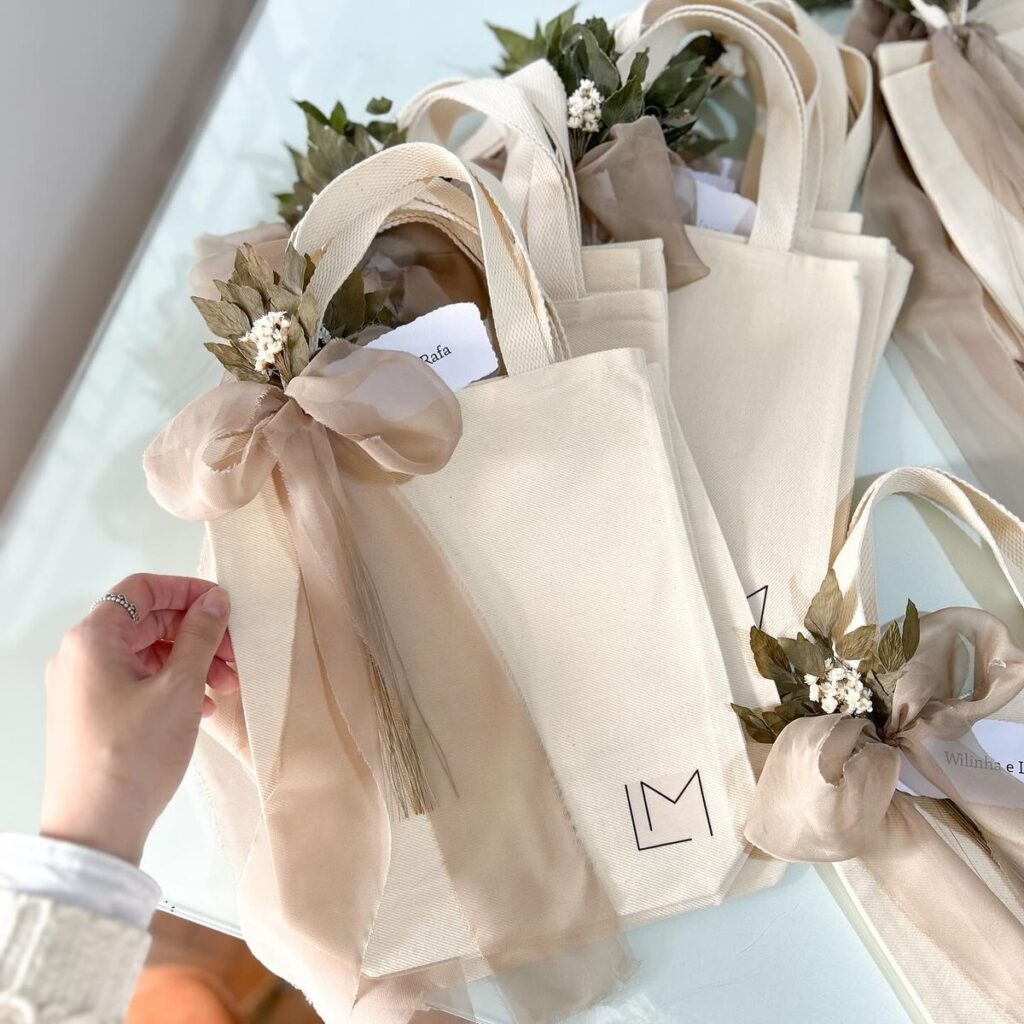
Reusable items are sustainable because they replace single-use products and encourage long-term use. When chosen thoughtfully, they become part of guests’ daily lives rather than clutter.
Cloth tote bags, especially those made from organic cotton or recycled fabric, are practical and versatile. They can be customised subtly with the wedding date or a meaningful phrase without feeling overly personalised.
Reusable drinkware such as glass tumblers, ceramic mugs, or stainless-steel cups works well when aligned with the wedding style. These items should be neutral and well-designed so guests feel comfortable using them beyond the event.
Beeswax food wraps, metal straws, or reusable cutlery sets are also increasingly popular. These favours directly support sustainable living by reducing plastic waste, while still feeling modern and intentional.
Handmade and Artisan Favours: Supporting Local Communities
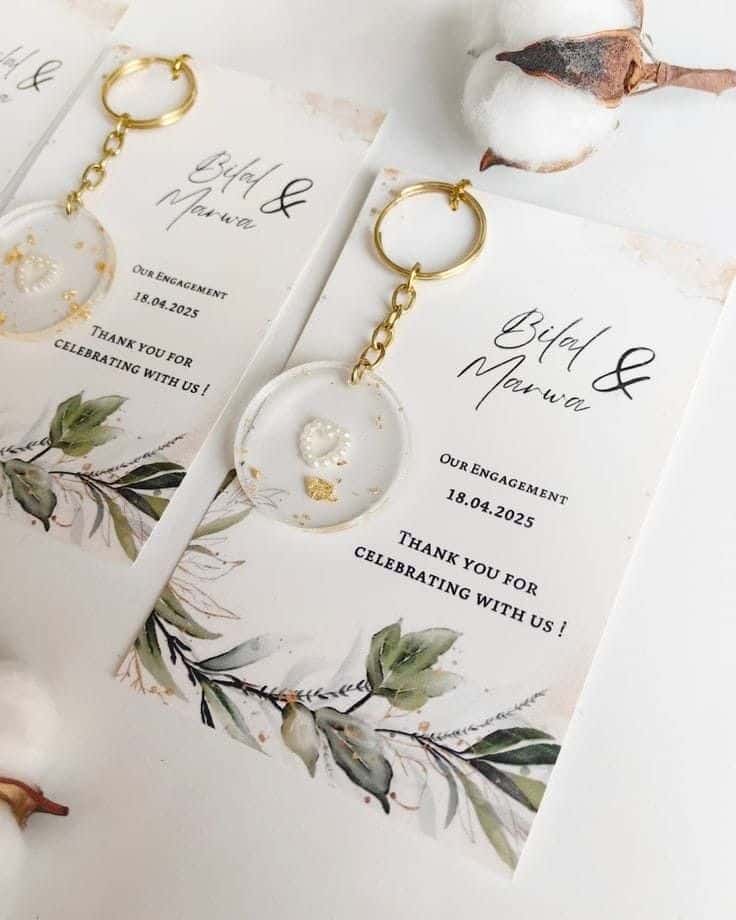
One of the most overlooked aspects of sustainability is social impact. Choosing wedding favours made by local artisans or small businesses supports livelihoods and preserves traditional skills.
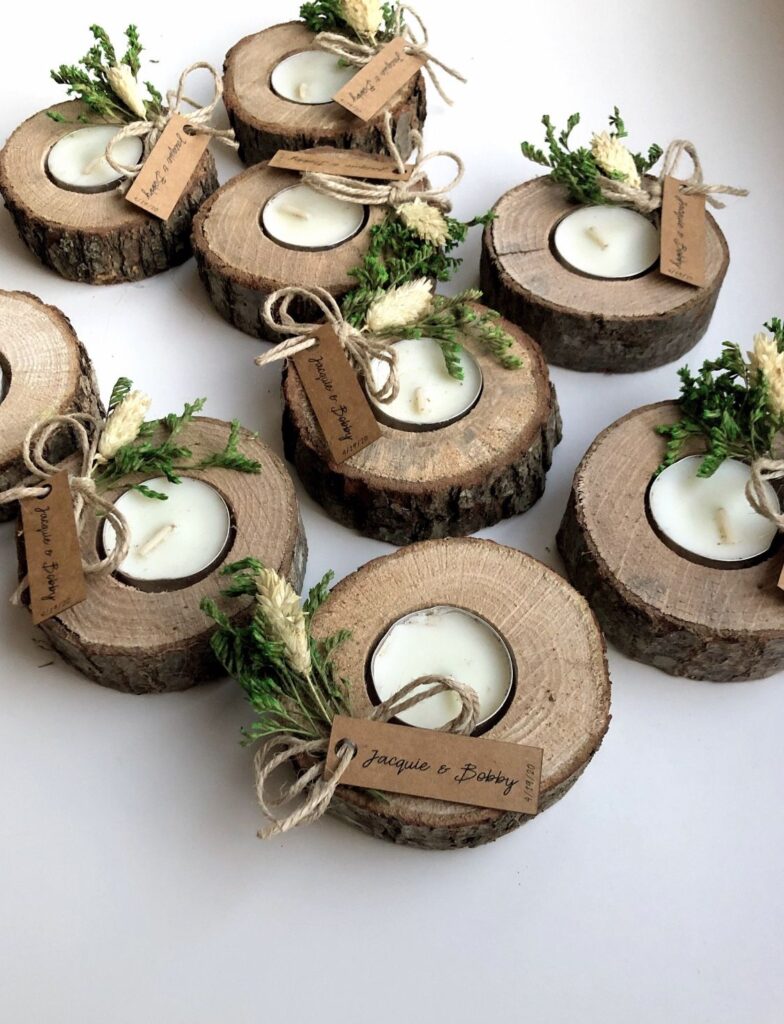
Hand-poured candles made from soy or beeswax are a favourite sustainable option. They burn cleaner than paraffin candles and can be scented with natural essential oils. Simple glass or metal containers allow for reuse once the candle is finished.
Natural soaps, bath salts, or skincare items made in small batches are another thoughtful choice. When made with gentle, biodegradable ingredients and minimal packaging, these favours feel luxurious without being wasteful.
Textile-based favours such as handwoven coasters, napkins, or small fabric pouches also carry lasting value. They reflect craftsmanship and often hold sentimental meaning for guests.
Experience-Based Favours: Less Stuff, More Meaning
Not all wedding favours need to be physical objects. Experience-based favours are often the most sustainable because they create memories without producing waste.
Some couples choose to make a charitable donation on behalf of their guests, supporting causes such as environmental conservation, education, or community development. A simple card explaining the donation adds transparency and emotional resonance.
Others offer experiences during the wedding itself, such as a live sketch artist, a photo booth with digital-only images, or a curated tasting experience. These moments become the “favour” guests remember.
In destination weddings, locally guided experiences or cultural demonstrations can replace traditional favours altogether, giving guests something meaningful without adding items to their luggage.
Sustainable Packaging: The Detail That Matters Most
Even the most eco-friendly favour can lose its impact if wrapped in excessive or non-recyclable packaging. Sustainable wedding favours should always be paired with thoughtful presentation.
Recycled paper, kraft boxes, glass jars, cloth wraps, or reusable containers are excellent alternatives to plastic. Natural materials such as jute twine, dried flowers, or leaves can replace ribbons and synthetic decorations.
Avoiding individually wrapped items where possible also reduces waste. Displaying favours on shared tables or in baskets allows guests to take what they need without excess packaging.
Minimalism is often the most sustainable design choice. Clean, simple presentation feels intentional and elegant while reducing environmental impact.
Personalisation Without Overproduction
Personalised favours can be meaningful, but excessive customisation often limits reusability. Sustainable personalisation focuses on subtlety rather than permanence.
Instead of printing names and dates on the favour itself, consider attaching a removable tag or card. This allows guests to reuse the item freely without it feeling tied to a specific event.
Meaningful quotes, symbols, or cultural motifs can also add a personal touch without excessive branding. The goal is to make guests feel considered, not obligated to keep something they cannot realistically use.
Choosing What Aligns With Your Values
Sustainable wedding favours are not about trends or appearances. They are about alignment. The most successful choices reflect the couple’s values, lifestyle, and intentions.
For some, sustainability means zero waste. For others, it means supporting local businesses, choosing ethical labour, or reducing unnecessary consumption. There is no single “correct” option, only thoughtful ones.
When couples choose favours with intention, guests often notice. Sustainable favours spark conversation, appreciation, and reflection, turning a small gesture into something meaningful.
A Thoughtful Thank You That Lasts Beyond the Day
Wedding favours may be small, but their impact can be significant. By choosing sustainable options, couples extend the spirit of their celebration beyond the ceremony, reminding guests that love and responsibility can coexist beautifully.
A sustainable wedding favour is not just a gift. It is a message. One that says gratitude does not have to come at the expense of the planet, and that meaningful choices, even small ones, can leave a lasting impression long after the wedding day ends.