Muslim weddings are beautifully layered celebrations, often spread across multiple events, each with its own cultural meaning, mood, and style. From intimate pre-wedding gatherings to elegant receptions, every function calls for a distinct look. Understanding what to wear—and when—is key to feeling confident, respectful, and effortlessly stylish.
This is where a clear how to dress for different Muslim wedding events guide becomes essential. It helps you navigate each occasion with the right balance of modesty, elegance, and personal style.
If you are a bride, bridesmaid, or guest attending a Muslim wedding, here is how to approach each event with the right outfit choices.
Read more on BrideSriLanka.com 👇🏼
Understanding the Importance of Modesty and Elegance
Before exploring specific events, it is important to understand the foundation of Muslim wedding fashion. Modesty is a core element, but that does not mean compromising on style.
A thoughtful how to dress for different Muslim wedding events approach focuses on:
- Graceful silhouettes
- Appropriate coverage
- Elegant fabrics
- Refined embellishments
Long sleeves, floor-length outfits, and structured drapes are common, but they are often paired with luxurious materials and intricate detailing. The result is a look that feels both modest and sophisticated.
The Pre-Wedding Events: Mehendi and Haldi
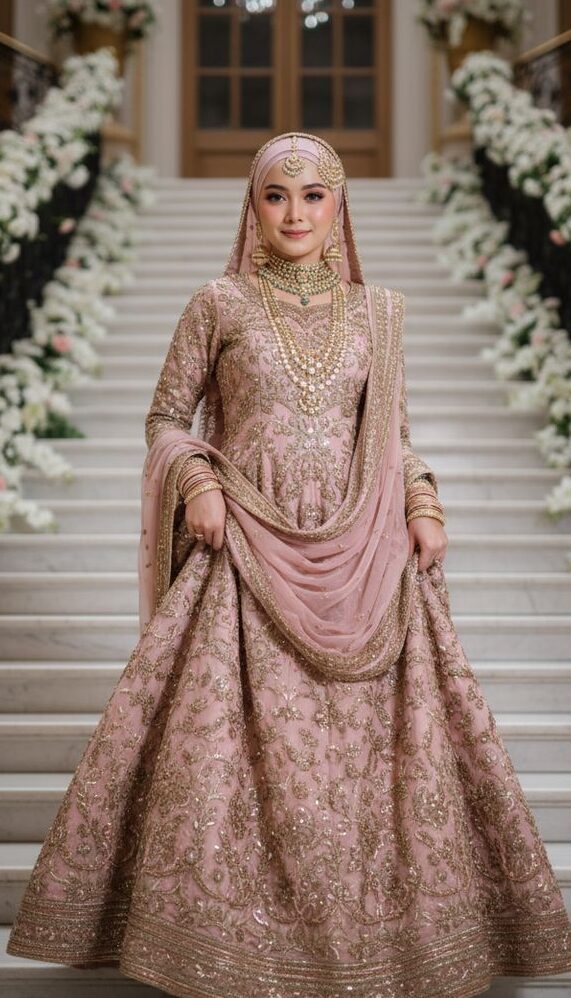
Pre-wedding events like Mehendi and Haldi are vibrant, lively, and full of colour. These functions are usually more relaxed compared to the main wedding, allowing for playful and expressive styling.
When following a how to dress for different Muslim wedding events approach for Mehendi or Haldi, opt for:
- Bright colours like yellow, green, orange, and pink
- Lightweight fabrics such as chiffon, georgette, or cotton silk
- Comfortable silhouettes like lehengas, shararas, or anarkalis
Since these events often involve movement, dancing, and rituals like applying henna or turmeric, comfort is important. Avoid overly heavy outfits or delicate fabrics that may get damaged.
Floral jewellery, minimal makeup, and soft hairstyles complement the cheerful mood of these functions.
The Nikah: Elegant and Refined
The Nikah is the most important religious ceremony in a Muslim wedding. It is typically more intimate and formal, requiring a look that reflects grace and respect.
A well-planned how to dress for different Muslim wedding events guide highlights modest elegance for this occasion.
Brides often choose:
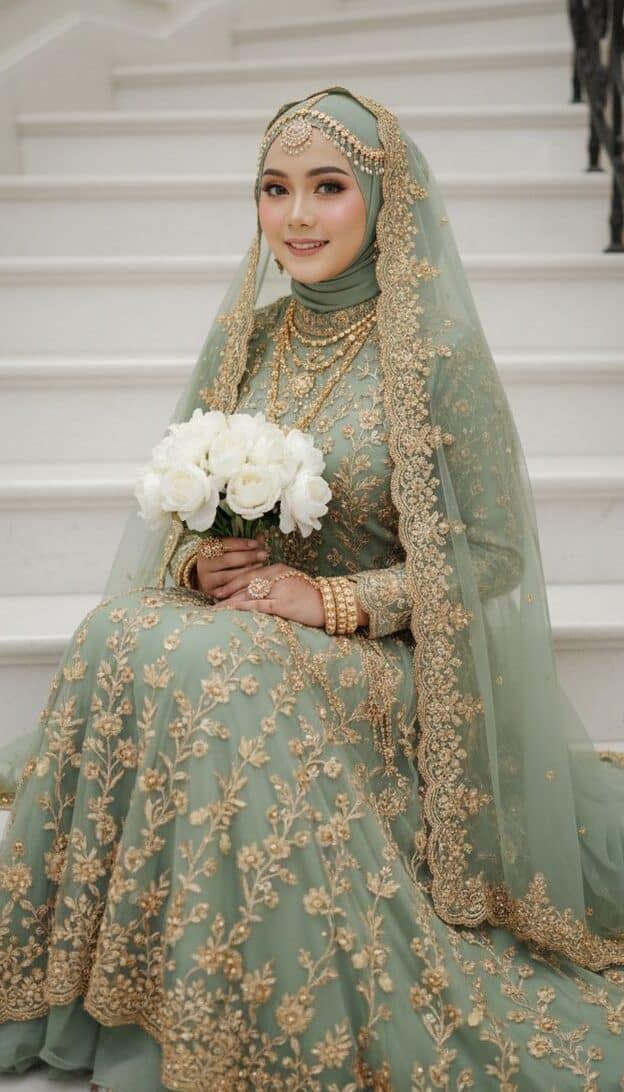
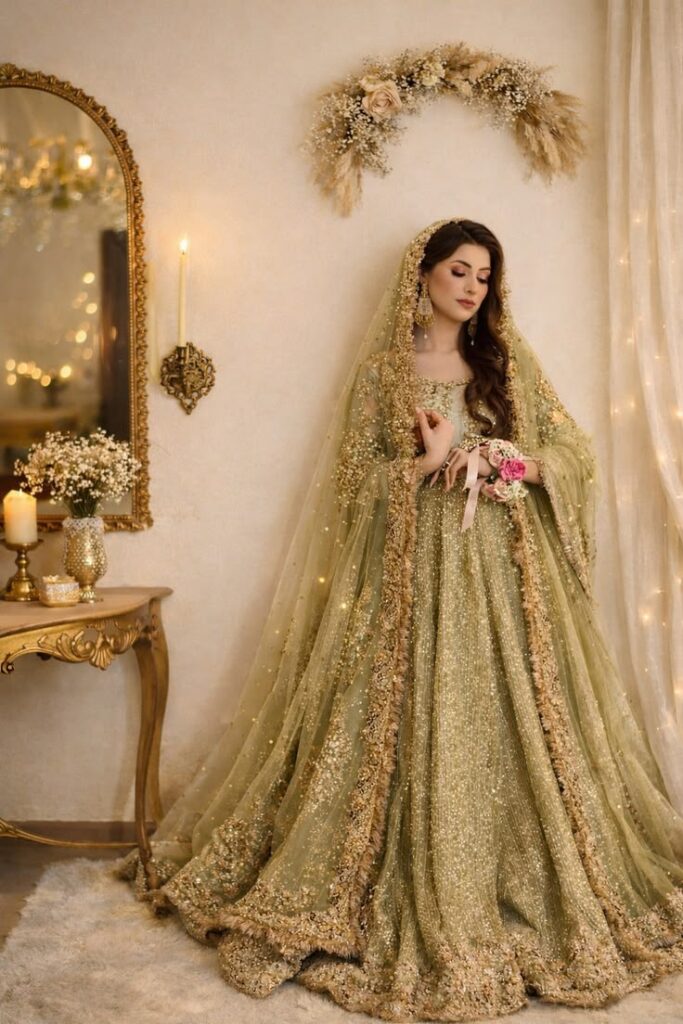
- Soft, sophisticated colours like ivory, pastel pink, mint green, or champagne
- Long, flowing outfits such as anarkalis, gowns, or sarees
- Dupattas draped modestly over the head
Guests should also dress respectfully, avoiding overly bold or revealing outfits. Elegant embroidery, subtle embellishments, and clean silhouettes work best.
The focus is on timeless beauty rather than heavy glamour.
The Walima: Grand and Celebratory
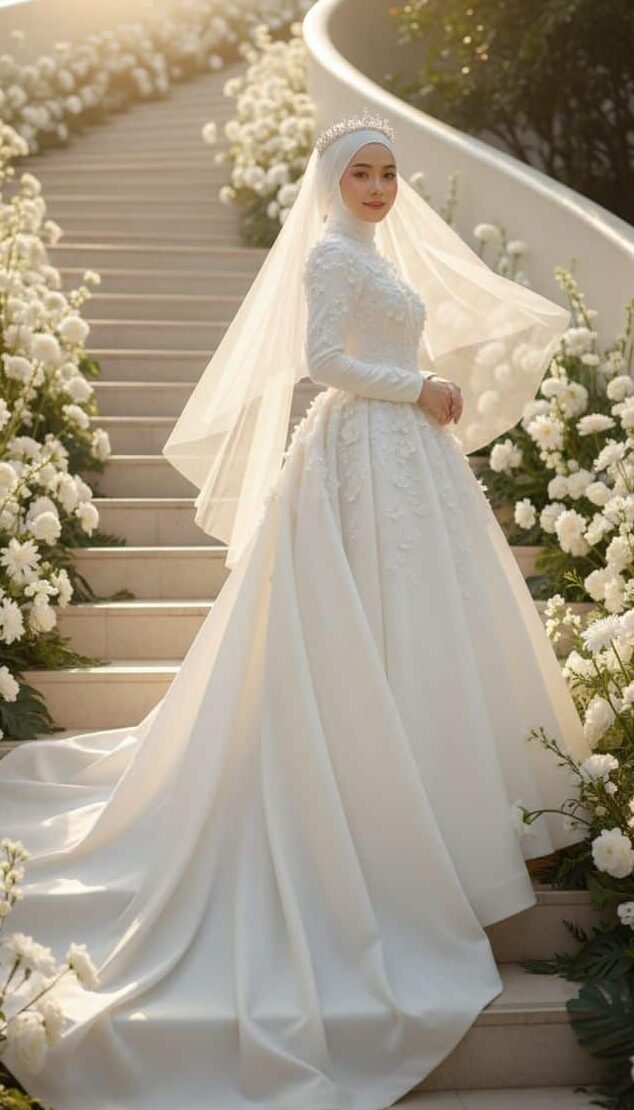
The Walima is the reception hosted by the groom’s family, and it is usually the most grand and festive event. This is where you can embrace a more glamorous look while still maintaining elegance.
In a complete how to dress for different Muslim wedding events guide, Walima styling allows for:
- Rich fabrics like velvet, silk, and heavily embroidered materials
- Deeper tones such as maroon, emerald, navy, or gold
- Statement jewellery and more defined makeup
Brides often opt for elaborate outfits with intricate detailing, while guests can explore bold yet tasteful designs.
The Walima is the perfect occasion to elevate your look while staying within the boundaries of modest fashion.
Choosing the Right Silhouettes
Silhouette plays a major role in dressing appropriately for each event. A strong how to dress for different Muslim wedding events approach considers both comfort and style.
Popular silhouettes include:
- Anarkalis for elegance and flow
- Lehengas for festive occasions
- Shararas for a traditional yet modern feel
- Sarees for a classic, refined look
The key is to choose silhouettes that flatter your body shape while maintaining modest coverage. Structured tailoring and good draping make a significant difference in how the outfit looks.
Fabric and Weather Considerations
Weddings in Sri Lanka often take place in warm climates, making fabric choice extremely important. A practical how to dress for different Muslim wedding events guide always considers comfort.
For daytime or outdoor events:
- Choose breathable fabrics like chiffon, organza, or lightweight silk
For evening or indoor events:
- You can explore heavier fabrics like velvet or brocade
Balancing aesthetics with comfort ensures that you enjoy the event without feeling restricted.
Coordinating Colours Across Events
Many brides and guests attend multiple functions, which means planning outfits in advance. A well-thought-out how to dress for different Muslim wedding events strategy includes colour coordination.
Avoid repeating the same colour palette for every event. Instead, create variation:
- Bright and playful tones for Mehendi
- Soft and elegant shades for Nikah
- Rich and bold colours for Walima
This approach keeps each look fresh and visually distinct.
Accessorising the Right Way
Accessories complete the outfit, but they should always match the tone of the event. A balanced how to dress for different Muslim wedding events guide focuses on harmony.
For lighter events:
- Minimal jewellery
- Floral or delicate accessories
For formal events:
- Statement necklaces
- Earrings and bangles
- Elegant clutches
Avoid over-accessorising. The goal is to enhance your outfit, not overwhelm it.
Hair and Makeup for Each Event
Hair and makeup should also evolve with each function. A detailed how to dress for different Muslim wedding events plan includes styling consistency.
For Mehendi:
- Soft, natural makeup
- Loose hairstyles or braids
For Nikah:
- Polished, understated makeup
- Neat buns or covered styles
For Walima:
- Glamorous makeup
- Structured hairstyles or elegant waves
Each look should complement your outfit and the mood of the event.
Respecting Cultural Variations
Muslim weddings vary across regions and communities. While this how to dress for different Muslim wedding events guide provides a general framework, it is important to be mindful of specific cultural practices.
Some families may prefer more traditional attire, while others may embrace modern styles. Observing the tone of the event and communicating with the hosts can help you make appropriate choices.
Respecting cultural nuances adds depth and authenticity to your overall look.
Avoiding Common Mistakes
Many people struggle with dressing for multiple events because they either overdress or underdress. A smart how to dress for different Muslim wedding events approach helps avoid these mistakes.
Common pitfalls include:
- Wearing overly heavy outfits for casual events
- Choosing revealing styles that do not align with modesty
- Repeating the same look across all functions
- Overloading accessories
Awareness and planning can prevent these issues and ensure a polished appearance.
Muslim weddings are a celebration of culture, faith, and style. Each event offers a unique opportunity to express yourself while respecting tradition.
Following a thoughtful how to dress for different Muslim wedding events approach allows you to navigate every function with confidence. By understanding the mood, selecting the right silhouettes, and balancing elegance with modesty, you can create looks that feel both appropriate and beautiful.
Ultimately, dressing well is not about following strict rules—it is about understanding context and making intentional choices. When done right, your outfits will not only look stunning but also feel meaningful.
Read more relatable articles on BrideSriLanka.com 👇🏼