
A beautiful wedding is not only about the venue, flowers, dress, or photography. Behind every smooth and memorable wedding day is a carefully planned schedule that keeps everything running on time. While guests may never see the planning that goes into it, a well-structured timeline can reduce stress, avoid delays, and help everyone enjoy the day more fully.
Learning how to plan the perfect wedding day timeline is one of the most important parts of wedding planning. A realistic schedule allows enough time for preparation, travel, photography, ceremonies, and celebrations without making the day feel rushed.
Whether you are planning a traditional Sri Lankan wedding, a church ceremony, a hotel reception, or a destination celebration, this guide will help you understand how to plan the perfect wedding day timeline from start to finish.
Read more on BrideSriLanka.com 👇🏼
Why a Wedding Timeline Matters
Many couples underestimate the importance of timing.
One of the first things to understand about how to plan the perfect wedding day timeline is that every part of the day affects the next.
If hair and makeup run late:
- Photography starts late
- Travel becomes stressful
- The ceremony may be delayed
- Guests are kept waiting
A good timeline creates structure while still leaving room for flexibility.
The goal is not perfection.
The goal is creating a calm and enjoyable wedding experience.
Start With Your Ceremony Time
The foundation of how to plan the perfect wedding day timeline is your ceremony start time.
Everything else works backwards from this point.
For example:
If your ceremony begins at 3:00 PM:
- Arrival may be 2:30 PM
- Photography may begin at 1:00 PM
- Hair and makeup may start at 8:00 AM
Once the ceremony time is fixed, it becomes much easier to organise the rest of the day.
Build in Extra Time
One of the biggest mistakes couples make when learning how to plan the perfect wedding day timeline is underestimating how long tasks actually take.
Hair, makeup, dressing, transportation, and photography often take longer than expected.
Always add:
- 15–30 minute buffers
- Extra travel time
- Additional preparation time
It is far better to be early than to spend your wedding day rushing.
Plan a Calm Wedding Morning
The wedding morning sets the tone for the entire day.
An important part of how to plan the perfect wedding day timeline is creating a relaxed start.
Your morning schedule should include:
- Wake-up time
- Breakfast
- Hydration
- Hair styling
- Makeup application
- Getting dressed
- Bridal details photography
Avoid filling every minute with activities.
A calm bride almost always enjoys the day more.

Schedule Hair and Makeup Properly
Hair and makeup often take longer than expected.
When considering how to plan the perfect wedding day timeline, speak with your beauty team about realistic timing.
Factors include:
- Number of bridesmaids
- Family members
- Hairstyle complexity
- Makeup style
A sample schedule may look like:
8:00 AM – Hair begins
9:00 AM – Makeup begins
12:00 PM – Bride completed
Always confirm timings directly with your artist.
Leave Time for Bridal Details Photos
Many photographers like to capture:
- Shoes
- Jewellery
- Veil
- Invitations
- Rings
- Perfume
- Bouquet
This is an important part of how to plan the perfect wedding day timeline that many couples forget.
Prepare these items beforehand so photography can happen efficiently.
These photographs often become some of the most beautiful images in the wedding album.
Include Time for Getting Dressed
Getting into a bridal gown, saree, or traditional bridal outfit is not something that should be rushed.
A thoughtful approach to how to plan the perfect wedding day timeline includes 30–60 minutes for dressing.
This allows time for:
- Final adjustments
- Jewellery placement
- Veil attachment
- Family photographs
- Emotional moments
These memories are often just as meaningful as the ceremony itself.
Consider a First Look
Many modern couples choose a first look before the ceremony.
A first look is a private moment where the couple sees each other before guests arrive.
When learning how to plan the perfect wedding day timeline, consider whether this suits your style.
Benefits include:
- Private emotional moment
- More photography time
- Reduced pressure later
Not every couple chooses this option, but it can help simplify the schedule.
Allocate Enough Time for Photography
Photography always takes longer than expected.
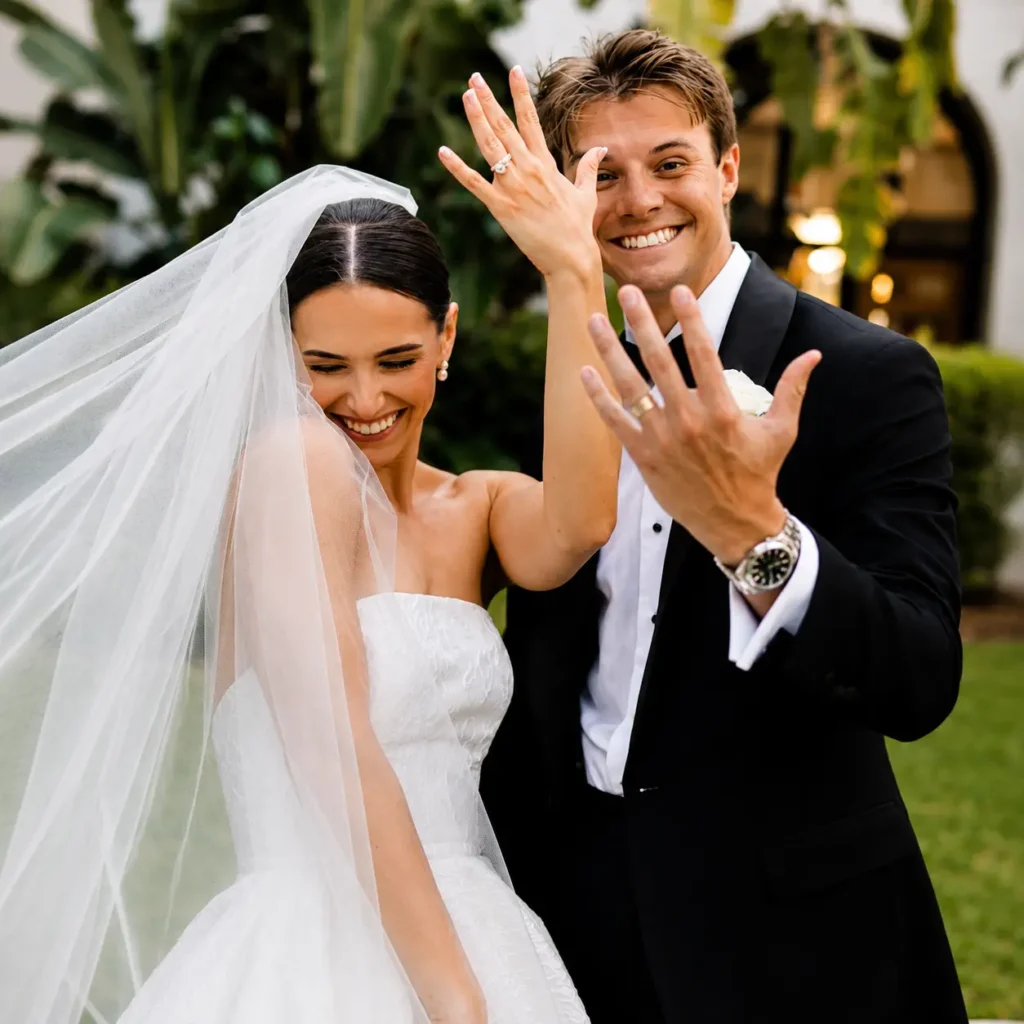
An essential part of how to plan the perfect wedding day timeline is protecting enough time for portraits.
Common photo sessions include:
- Bridal portraits
- Groom portraits
- Couple portraits
- Family photographs
- Bridal party photographs
Rushing photographs often creates stress and limits creativity.
Your photographer can help estimate realistic timings.
Don’t Forget Travel Time
Travel is one of the most common causes of wedding delays.
A practical lesson in how to plan the perfect wedding day timeline is planning for traffic, weather, and unexpected road conditions.
Always:
- Confirm routes
- Add buffer time
- Plan alternative routes if necessary
This is especially important for weddings in busy cities or multiple locations.
Plan the Ceremony Carefully
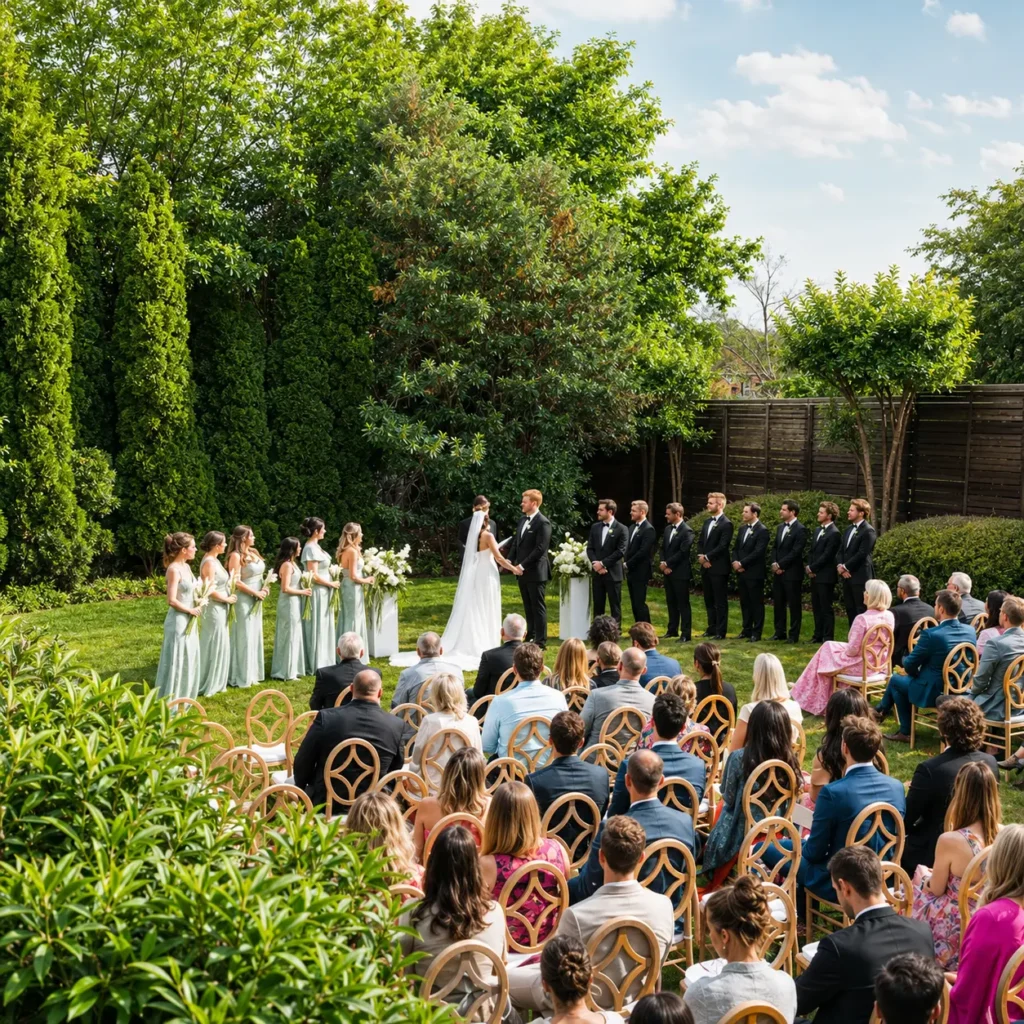
The ceremony itself should have a detailed schedule.
A key part of how to plan the perfect wedding day timeline is understanding the expected ceremony length.
Examples:
Church ceremonies:
- 45–90 minutes
Civil ceremonies:
- 15–30 minutes
Traditional ceremonies:
- Vary depending on customs
Speak with your officiant or ceremony coordinator beforehand.
Schedule Family Photos Immediately After
After the ceremony, family photographs should happen quickly.
When considering how to plan the perfect wedding day timeline, organise family groupings in advance.
Create a list of:
- Immediate family
- Extended family
- Special relatives
- Specific requested photographs
This prevents confusion and saves valuable time.
Plan Your Reception Entrance
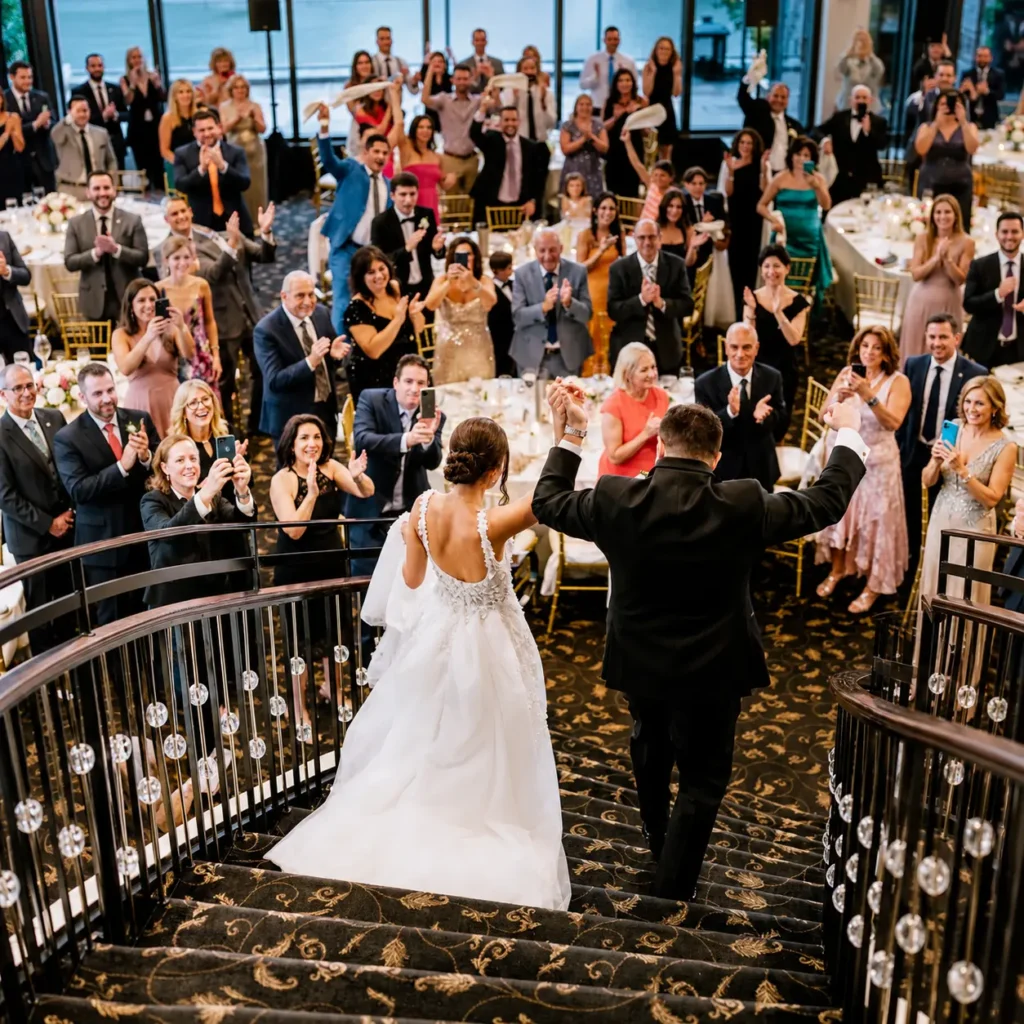
The reception often begins with:
- Guest arrival
- Couple entrance
- Welcome speeches
A successful approach to how to plan the perfect wedding day timeline includes coordinating these moments carefully.
Guests should know:
- When to arrive
- Where to go
- When key events begin
Clear communication helps the reception flow smoothly.
Space Out Major Reception Events
Many receptions include:
- First dance
- Cake cutting
- Speeches
- Dinner
- Entertainment
One important principle of how to plan the perfect wedding day timeline is avoiding back-to-back events.
Spacing activities throughout the evening creates a better experience for guests.
For example:
6:00 PM – Reception entrance
6:15 PM – Welcome speeches
7:00 PM – Dinner
8:00 PM – Cake cutting
8:30 PM – First dance
This creates a natural flow.
Schedule Time to Eat
Many couples barely touch their meals because they are busy greeting guests.
A commonly forgotten aspect of how to plan the perfect wedding day timeline is protecting time to eat.
Ask your coordinator or planner to ensure:
- Meals are served promptly
- You have time to sit down
- Someone reminds you to eat
The day is long.
You need energy.
Leave Space for Unexpected Moments
Even the best schedule cannot predict everything.
An important lesson in how to plan the perfect wedding day timeline is leaving room for flexibility.
Unexpected moments may include:
- Emotional conversations
- Delayed arrivals
- Weather changes
- Extra photographs
- Guest interactions
A timeline with breathing room feels far more relaxed.
Assign Someone to Manage the Schedule
The bride and groom should not be responsible for watching the clock.
A practical part of how to plan the perfect wedding day timeline is assigning someone to oversee it.
This could be:
- Wedding planner
- Coordinator
- Bridesmaid
- Sibling
- Trusted friend
Their role is to keep events moving without adding stress to the couple.
Sample Wedding Day Timeline
Example:
7:00 AM – Wake up
8:00 AM – Hair and makeup begin
12:00 PM – Bride ready
12:30 PM – Getting dressed photos
1:00 PM – Bridal portraits
2:00 PM – Travel to venue
2:30 PM – Arrival
3:00 PM – Ceremony
4:00 PM – Family photos
5:00 PM – Couple portraits
6:00 PM – Reception entrance
7:00 PM – Dinner
8:00 PM – Cake cutting
8:30 PM – First dance
9:00 PM onwards – Celebration
This can be adjusted depending on your wedding style.
Learning how to plan the perfect wedding day timeline is one of the best ways to reduce stress and enjoy your wedding day. A thoughtful schedule ensures that every important moment has space while allowing flexibility for the unexpected.
Start with your ceremony time, build backwards, include realistic buffers, protect time for photography, and assign someone else to manage the schedule.
Most importantly, remember that a timeline is there to support your experience—not control it.
Because the perfect wedding day timeline is not the one that runs perfectly to the minute.
It is the one that allows you to enjoy every meaningful moment.
Read more 👇🏼